

The Significance of High Power Graphite Electrode in Metallurgy and Energy Industries
Aug 02,2025


Summary:
High power graphite electrodes are critical components in various industrial processes, particularly in the metallurgy and energy sectors. These electrodes are primarily used in electric arc furnaces (EAFs) for steelmaking and other metal production processes. They are designed to withstand extreme conditions, including high temperatures and intense electrical currents, making them essential for e
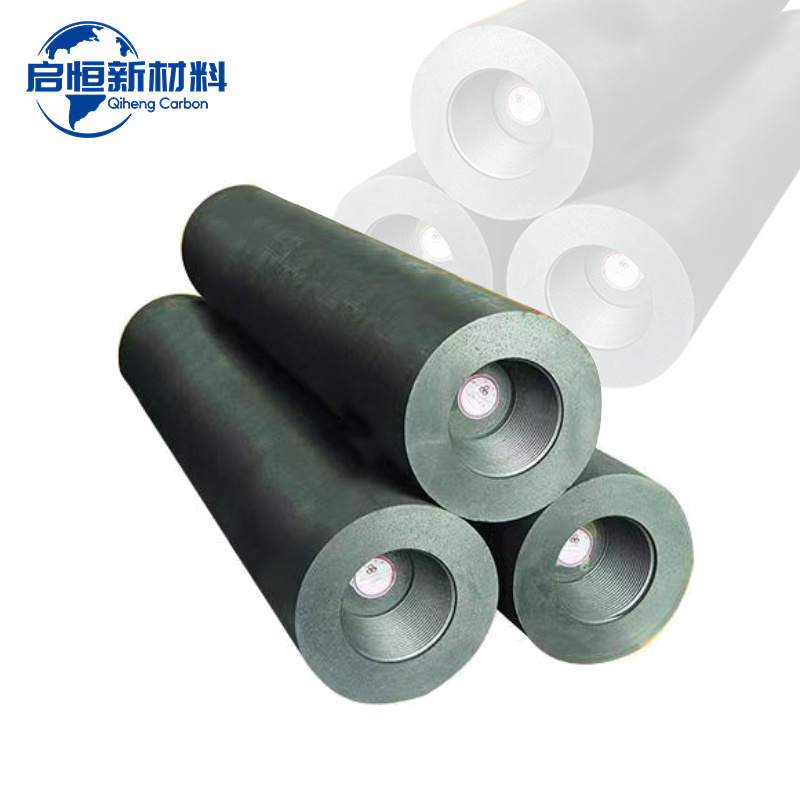
High power graphite electrodes are critical components in various industrial processes, particularly in the metallurgy and energy sectors. These electrodes are primarily used in electric arc furnaces (EAFs) for steelmaking and other metal production processes. They are designed to withstand extreme conditions, including high temperatures and intense electrical currents, making them essential for efficient operation in these environments.
One of the primary advantages of high power graphite electrodes is their excellent electrical conductivity. This property allows them to efficiently transfer electrical energy to the charge material, facilitating the melting and refining processes within the furnace. The ability to withstand high temperatures also means that these electrodes can maintain their structural integrity under extreme conditions, which is vital for consistent performance and product quality.
In addition to their electrical properties, high power graphite electrodes are also known for their thermal conductivity and resistance to thermal shock. This is particularly important in processes where rapid temperature changes occur, as it helps to prevent damage to the electrodes and ensures a longer operational lifespan. The durability of these electrodes translates to reduced downtime and maintenance costs, providing significant economic benefits to manufacturers.
The production of high power graphite electrodes involves a meticulous process that includes the selection of high-quality raw materials, including petroleum coke and coal tar pitch. These raw materials are subjected to processes such as calcination, milling, and molding before undergoing a quality-controlled baking and graphitization process. This stringent manufacturing process is essential in ensuring that the final product meets the necessary specifications for performance and reliability.
Moreover, the increasing demand for high power graphite electrodes is closely linked to the rising need for steel and other metals in various industries, including construction, automotive, and electronics. As global infrastructure development continues to grow, the need for efficient and reliable metal production processes becomes paramount. Consequently, high power graphite electrodes play a vital role in meeting these demands, as they enable the production of high-quality metals in a cost-effective and environmentally-friendly manner.
As the world shifts towards more sustainable practices, the use of high power graphite electrodes also aligns with efforts to reduce carbon emissions and improve energy efficiency. By optimizing the melting process and reducing energy consumption in electric arc furnaces, these electrodes contribute to greener production methods, making them an integral part of the modern industrial landscape.
In summary, high power graphite electrodes are essential for efficient and effective operations in metallurgy and energy sectors. Their unique properties, combined with a rigorous manufacturing process, enable industries to meet the growing demand for metals while embracing sustainability. Understanding the significance of these electrodes is crucial for stakeholders looking to enhance their operations and contribute to a more sustainable future.
One of the primary advantages of high power graphite electrodes is their excellent electrical conductivity. This property allows them to efficiently transfer electrical energy to the charge material, facilitating the melting and refining processes within the furnace. The ability to withstand high temperatures also means that these electrodes can maintain their structural integrity under extreme conditions, which is vital for consistent performance and product quality.
In addition to their electrical properties, high power graphite electrodes are also known for their thermal conductivity and resistance to thermal shock. This is particularly important in processes where rapid temperature changes occur, as it helps to prevent damage to the electrodes and ensures a longer operational lifespan. The durability of these electrodes translates to reduced downtime and maintenance costs, providing significant economic benefits to manufacturers.
The production of high power graphite electrodes involves a meticulous process that includes the selection of high-quality raw materials, including petroleum coke and coal tar pitch. These raw materials are subjected to processes such as calcination, milling, and molding before undergoing a quality-controlled baking and graphitization process. This stringent manufacturing process is essential in ensuring that the final product meets the necessary specifications for performance and reliability.
Moreover, the increasing demand for high power graphite electrodes is closely linked to the rising need for steel and other metals in various industries, including construction, automotive, and electronics. As global infrastructure development continues to grow, the need for efficient and reliable metal production processes becomes paramount. Consequently, high power graphite electrodes play a vital role in meeting these demands, as they enable the production of high-quality metals in a cost-effective and environmentally-friendly manner.
As the world shifts towards more sustainable practices, the use of high power graphite electrodes also aligns with efforts to reduce carbon emissions and improve energy efficiency. By optimizing the melting process and reducing energy consumption in electric arc furnaces, these electrodes contribute to greener production methods, making them an integral part of the modern industrial landscape.
In summary, high power graphite electrodes are essential for efficient and effective operations in metallurgy and energy sectors. Their unique properties, combined with a rigorous manufacturing process, enable industries to meet the growing demand for metals while embracing sustainability. Understanding the significance of these electrodes is crucial for stakeholders looking to enhance their operations and contribute to a more sustainable future.
Focus On Hot Spots
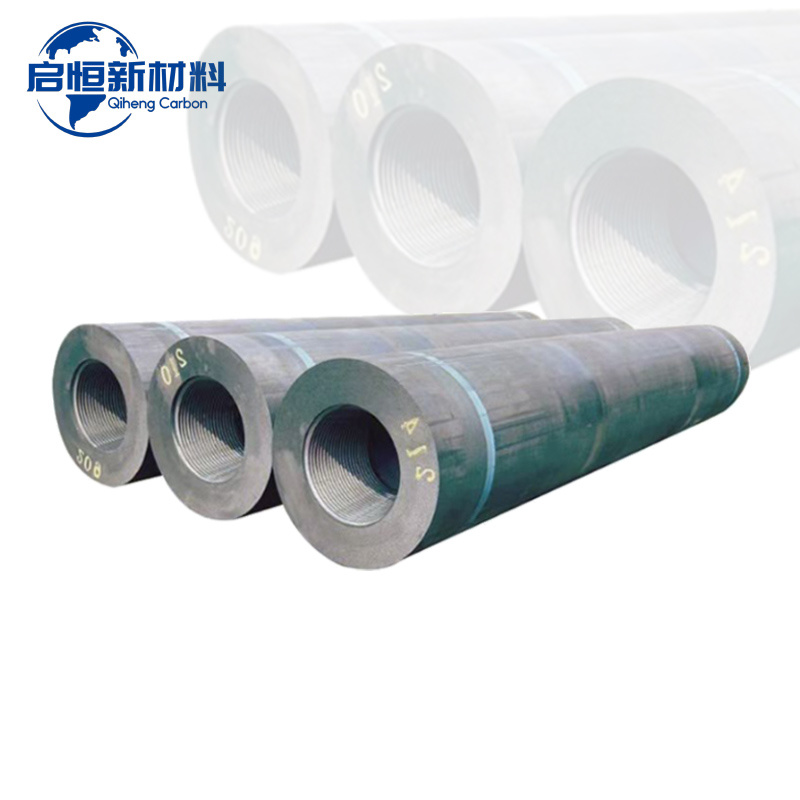
RP Graphite Electrodes: Transforming Conductivity in Metallurgical Processes
RP Graphite Electrodes: Enhancing Conductivity in Metallurgical Applications
Table of Contents
1. Introduction to RP Graphite Electrodes
2. Understanding Graphite and Its Properties
3. The Role of RP Graphite Electrodes in Metallurgy
4. Benefits of Using RP Graphite Electrodes
5. The Manufacturing Process of RP Graphite Electrodes
6. Applications of RP Graphite Electrodes
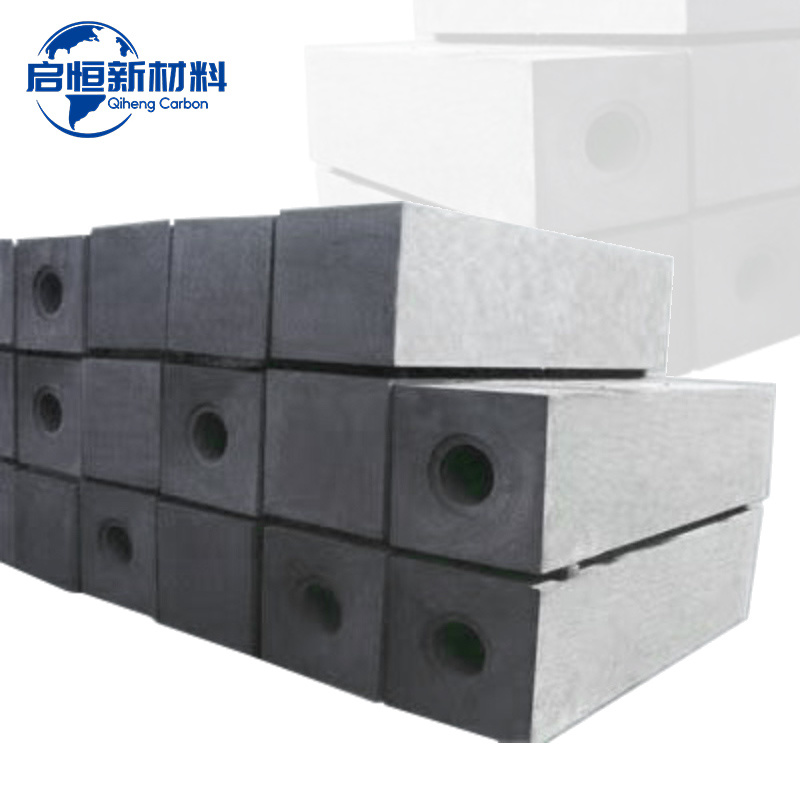
The Essential Guide to Graphite Blocks in Metallurgy and Energy Industries
Graphite blocks are pivotal materials in the metallurgy and energy industries, particularly within the non-metallic mineral products sector. These blocks, made from natural or synthetic graphite, possess unique properties that make them suitable for a wide range of applications. One of the most notable characteristics of graphite is its excellent thermal and electrical conductivity. This property
Quick Navigation
Contact Us
Mobile:
+8618031071182(Mr. Chang)
+8613703203188(Mr. Guo)
Address: West of Zholangbao Village, Shangcheng Town, Chengan County, Handan City, Hebei Province
Alibaba Store: