

Understanding Carbon Bricks: Their Properties and Applications in Metallurgy
Apr 01,2025


Summary:
Carbon bricks are specialized refractory materials made primarily from carbon and other binding agents. These materials are essential in high-temperature applications, especially in the metallurgical sector, where their unique properties can significantly enhance efficiency and performance. The use of carbon bricks is particularly prevalent in steelmaking processes and other metallurgical operatio
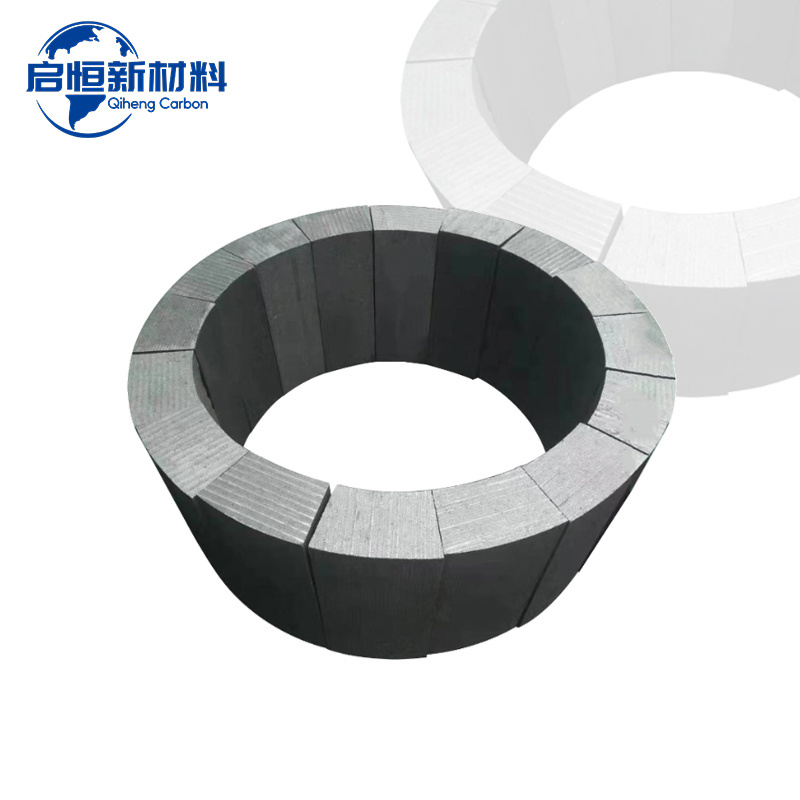
Carbon bricks are specialized refractory materials made primarily from carbon and other binding agents. These materials are essential in high-temperature applications, especially in the metallurgical sector, where their unique properties can significantly enhance efficiency and performance. The use of carbon bricks is particularly prevalent in steelmaking processes and other metallurgical operations that demand materials capable of withstanding extreme conditions.
One of the key characteristics of carbon bricks is their excellent thermal conductivity. This property allows them to effectively manage heat during high-temperature operations, making them ideal for use in furnaces and kilns. The ability to maintain structural integrity at elevated temperatures is another crucial attribute, as it ensures that the materials do not deform or degrade under stress. Additionally, carbon bricks exhibit remarkable resistance to thermal shock, which is the ability to withstand rapid temperature changes without cracking or breaking.
Another significant aspect of carbon bricks is their chemical stability. Unlike many other materials, carbon bricks are not easily affected by the corrosive environments often found in metallurgical processes. This quality makes them particularly valuable for lining furnaces that handle molten metals and slags, as they can endure exposure to harsh chemical agents without deteriorating.
The manufacturing process of carbon bricks involves careful selection of raw materials, along with precise control over the production parameters to ensure optimal performance. Typically, the production process includes mixing carbonaceous materials with binders, forming the mixture into bricks, and then subjecting them to high temperatures in a controlled environment. This process not only enhances the physical properties of the bricks but also maximizes their performance in real-world applications.
In terms of applications, carbon bricks are widely used in the lining of various types of furnaces, including electric arc furnaces, blast furnaces, and ladle furnaces. They play a critical role in ensuring efficient heat retention and protection against wear and chemical attack. Furthermore, carbon bricks are also utilized in non-metallic applications, such as in the production of graphite electrodes and other carbon-based materials.
In summary, carbon bricks are indispensable in the metallurgical industry due to their unique properties, including high thermal conductivity, excellent chemical stability, and resistance to thermal shock. Their ability to withstand the demanding conditions of metallurgical processes makes them a staple in the production of metals and other related materials. Understanding the significance and application of carbon bricks can provide valuable insights into their role in enhancing efficiency and performance in industrial operations.
One of the key characteristics of carbon bricks is their excellent thermal conductivity. This property allows them to effectively manage heat during high-temperature operations, making them ideal for use in furnaces and kilns. The ability to maintain structural integrity at elevated temperatures is another crucial attribute, as it ensures that the materials do not deform or degrade under stress. Additionally, carbon bricks exhibit remarkable resistance to thermal shock, which is the ability to withstand rapid temperature changes without cracking or breaking.
Another significant aspect of carbon bricks is their chemical stability. Unlike many other materials, carbon bricks are not easily affected by the corrosive environments often found in metallurgical processes. This quality makes them particularly valuable for lining furnaces that handle molten metals and slags, as they can endure exposure to harsh chemical agents without deteriorating.
The manufacturing process of carbon bricks involves careful selection of raw materials, along with precise control over the production parameters to ensure optimal performance. Typically, the production process includes mixing carbonaceous materials with binders, forming the mixture into bricks, and then subjecting them to high temperatures in a controlled environment. This process not only enhances the physical properties of the bricks but also maximizes their performance in real-world applications.
In terms of applications, carbon bricks are widely used in the lining of various types of furnaces, including electric arc furnaces, blast furnaces, and ladle furnaces. They play a critical role in ensuring efficient heat retention and protection against wear and chemical attack. Furthermore, carbon bricks are also utilized in non-metallic applications, such as in the production of graphite electrodes and other carbon-based materials.
In summary, carbon bricks are indispensable in the metallurgical industry due to their unique properties, including high thermal conductivity, excellent chemical stability, and resistance to thermal shock. Their ability to withstand the demanding conditions of metallurgical processes makes them a staple in the production of metals and other related materials. Understanding the significance and application of carbon bricks can provide valuable insights into their role in enhancing efficiency and performance in industrial operations.
Previous:
Focus On Hot Spots
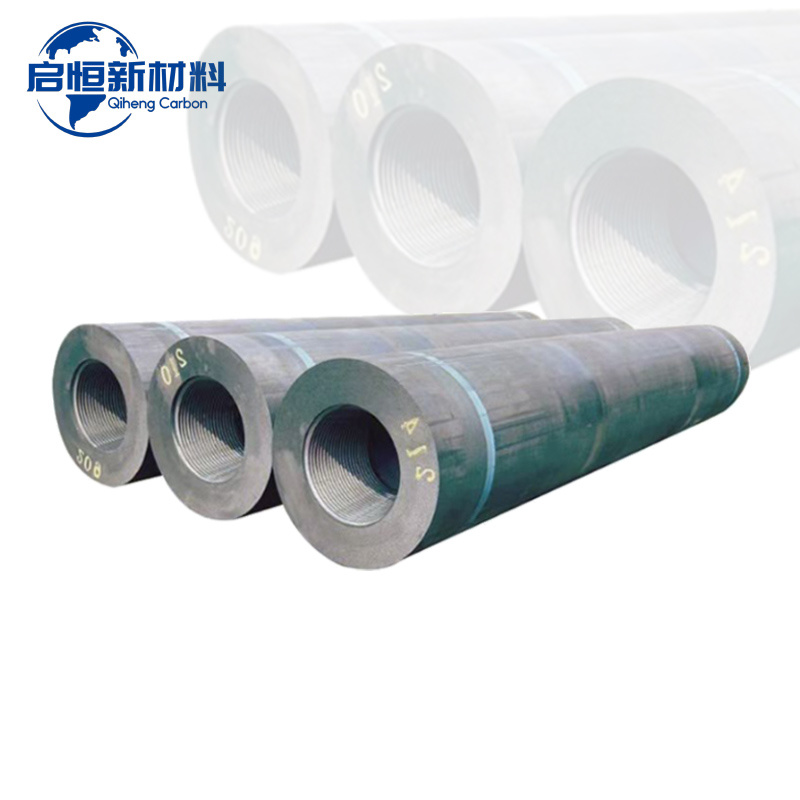
RP Graphite Electrodes: Transforming Conductivity in Metallurgical Processes
RP Graphite Electrodes: Enhancing Conductivity in Metallurgical Applications
Table of Contents
1. Introduction to RP Graphite Electrodes
2. Understanding Graphite and Its Properties
3. The Role of RP Graphite Electrodes in Metallurgy
4. Benefits of Using RP Graphite Electrodes
5. The Manufacturing Process of RP Graphite Electrodes
6. Applications of RP Graphite Electrodes
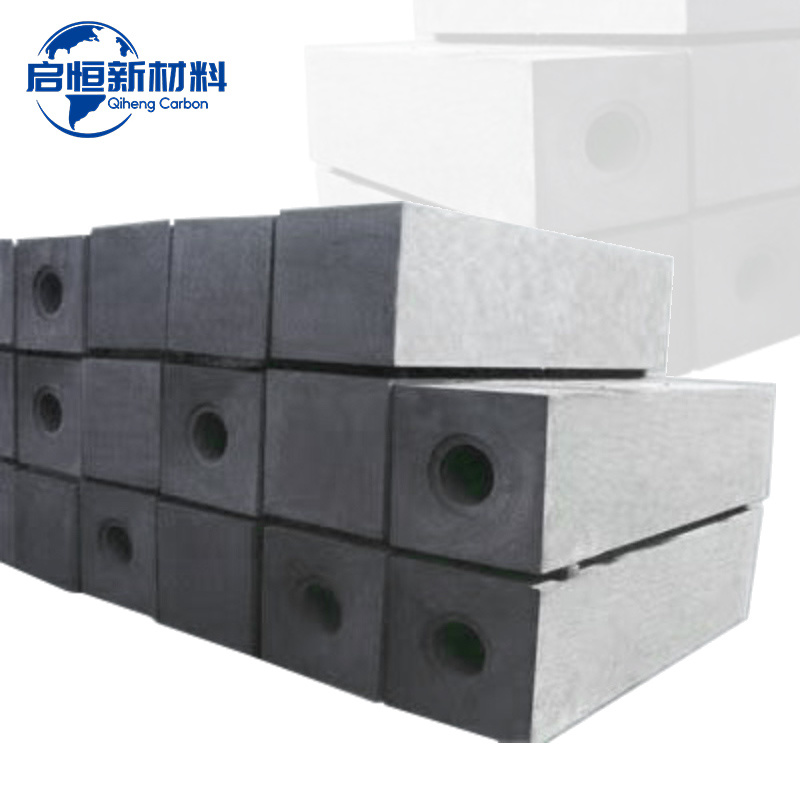
The Essential Guide to Graphite Blocks in Metallurgy and Energy Industries
Graphite blocks are pivotal materials in the metallurgy and energy industries, particularly within the non-metallic mineral products sector. These blocks, made from natural or synthetic graphite, possess unique properties that make them suitable for a wide range of applications. One of the most notable characteristics of graphite is its excellent thermal and electrical conductivity. This property
Quick Navigation
Contact Us
Mobile:
+8618031071182(Mr. Chang)
+8613703203188(Mr. Guo)
Address: West of Zholangbao Village, Shangcheng Town, Chengan County, Handan City, Hebei Province
Alibaba Store: