

Understanding HP Graphite Electrodes: Essential Insights for the Metallurgy and Energy Industries
Feb 02,2025


Summary:
HP graphite electrodes are a vital component in the metallurgy and energy industries, primarily used in electric arc furnaces (EAFs) for steelmaking. These electrodes are manufactured from high-purity petroleum needle coke and are known for their excellent electrical conductivity and mechanical strength. As industries strive for efficiency and sustainability, understanding the properties and appli
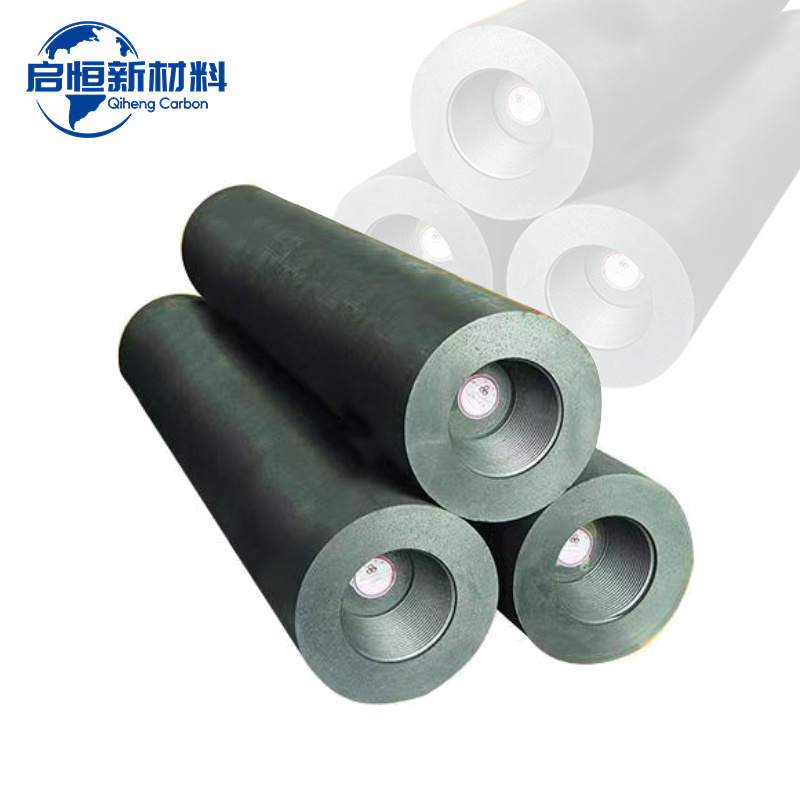
HP graphite electrodes are a vital component in the metallurgy and energy industries, primarily used in electric arc furnaces (EAFs) for steelmaking. These electrodes are manufactured from high-purity petroleum needle coke and are known for their excellent electrical conductivity and mechanical strength. As industries strive for efficiency and sustainability, understanding the properties and applications of HP graphite electrodes becomes increasingly important.
One of the primary advantages of HP graphite electrodes is their ability to handle high current densities, which is essential for the melting process in EAFs. They also exhibit low thermal expansion and high resistance to thermal shock, making them ideal for the demanding environment of steel production. Additionally, HP graphite electrodes contribute significantly to reducing energy consumption during the melting process, promoting eco-friendliness in the steel manufacturing industry.
Another critical aspect of HP graphite electrodes is their performance in the production of other non-ferrous metals. Their application extends beyond steelmaking to include the production of aluminum, copper, and other metals. This versatility underscores the importance of HP graphite electrodes in a variety of metallurgical processes, enhancing overall operational efficiency.
When selecting HP graphite electrodes, professionals must consider several factors such as electrical conductivity, thermal properties, and mechanical strength. The choice of electrode type can impact the overall efficiency and cost-effectiveness of the operation. Therefore, understanding the differences between HP and other types of electrodes, such as UHP (ultra-high power) and RP (regular power), is crucial for making informed decisions.
In addition to their technical properties, the sourcing and supply chain of HP graphite electrodes should not be overlooked. The availability of high-quality raw materials and the reliability of suppliers can significantly affect production schedules and operational continuity. Establishing strong relationships with suppliers can lead to improved quality assurance and timely delivery, minimizing any potential disruptions.
HP graphite electrodes are subject to various regulations and standards, particularly regarding environmental impact and sustainability practices. As the industry evolves, there is an increasing emphasis on eco-friendly practices and materials, which makes it essential for professionals to stay updated on compliance requirements and innovations in electrode production.
In conclusion, HP graphite electrodes are indispensable in the metallurgy and energy sectors, offering numerous benefits in terms of performance and efficiency. Professionals must stay informed about their properties, applications, and supply chain considerations to leverage these electrodes effectively in their operations. Understanding these elements will not only enhance production processes but also contribute to a more sustainable future in the industry.
One of the primary advantages of HP graphite electrodes is their ability to handle high current densities, which is essential for the melting process in EAFs. They also exhibit low thermal expansion and high resistance to thermal shock, making them ideal for the demanding environment of steel production. Additionally, HP graphite electrodes contribute significantly to reducing energy consumption during the melting process, promoting eco-friendliness in the steel manufacturing industry.
Another critical aspect of HP graphite electrodes is their performance in the production of other non-ferrous metals. Their application extends beyond steelmaking to include the production of aluminum, copper, and other metals. This versatility underscores the importance of HP graphite electrodes in a variety of metallurgical processes, enhancing overall operational efficiency.
When selecting HP graphite electrodes, professionals must consider several factors such as electrical conductivity, thermal properties, and mechanical strength. The choice of electrode type can impact the overall efficiency and cost-effectiveness of the operation. Therefore, understanding the differences between HP and other types of electrodes, such as UHP (ultra-high power) and RP (regular power), is crucial for making informed decisions.
In addition to their technical properties, the sourcing and supply chain of HP graphite electrodes should not be overlooked. The availability of high-quality raw materials and the reliability of suppliers can significantly affect production schedules and operational continuity. Establishing strong relationships with suppliers can lead to improved quality assurance and timely delivery, minimizing any potential disruptions.
HP graphite electrodes are subject to various regulations and standards, particularly regarding environmental impact and sustainability practices. As the industry evolves, there is an increasing emphasis on eco-friendly practices and materials, which makes it essential for professionals to stay updated on compliance requirements and innovations in electrode production.
In conclusion, HP graphite electrodes are indispensable in the metallurgy and energy sectors, offering numerous benefits in terms of performance and efficiency. Professionals must stay informed about their properties, applications, and supply chain considerations to leverage these electrodes effectively in their operations. Understanding these elements will not only enhance production processes but also contribute to a more sustainable future in the industry.
Focus On Hot Spots
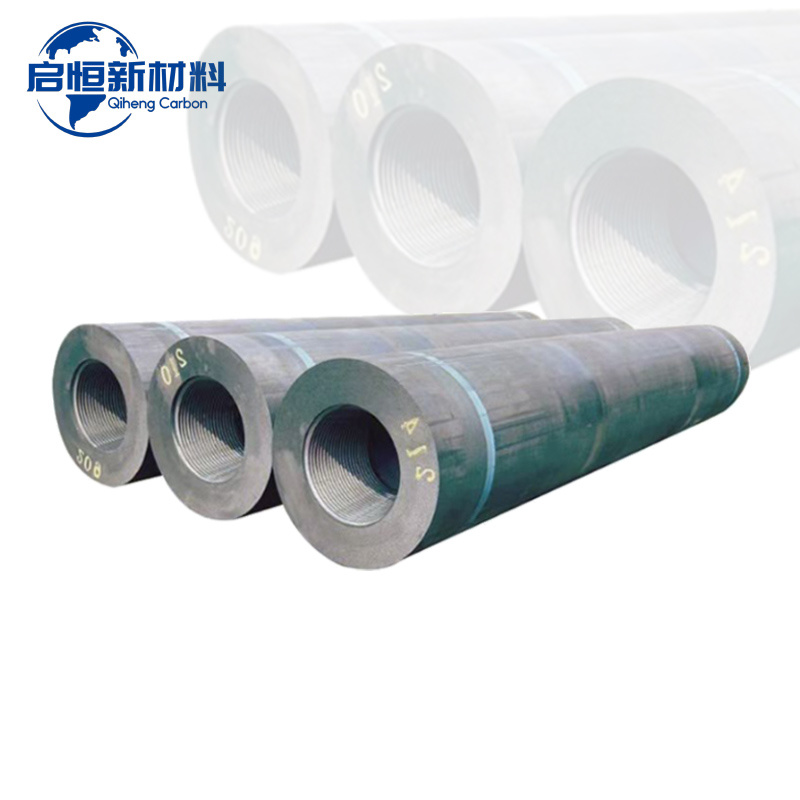
RP Graphite Electrodes: Transforming Conductivity in Metallurgical Processes
RP Graphite Electrodes: Enhancing Conductivity in Metallurgical Applications
Table of Contents
1. Introduction to RP Graphite Electrodes
2. Understanding Graphite and Its Properties
3. The Role of RP Graphite Electrodes in Metallurgy
4. Benefits of Using RP Graphite Electrodes
5. The Manufacturing Process of RP Graphite Electrodes
6. Applications of RP Graphite Electrodes
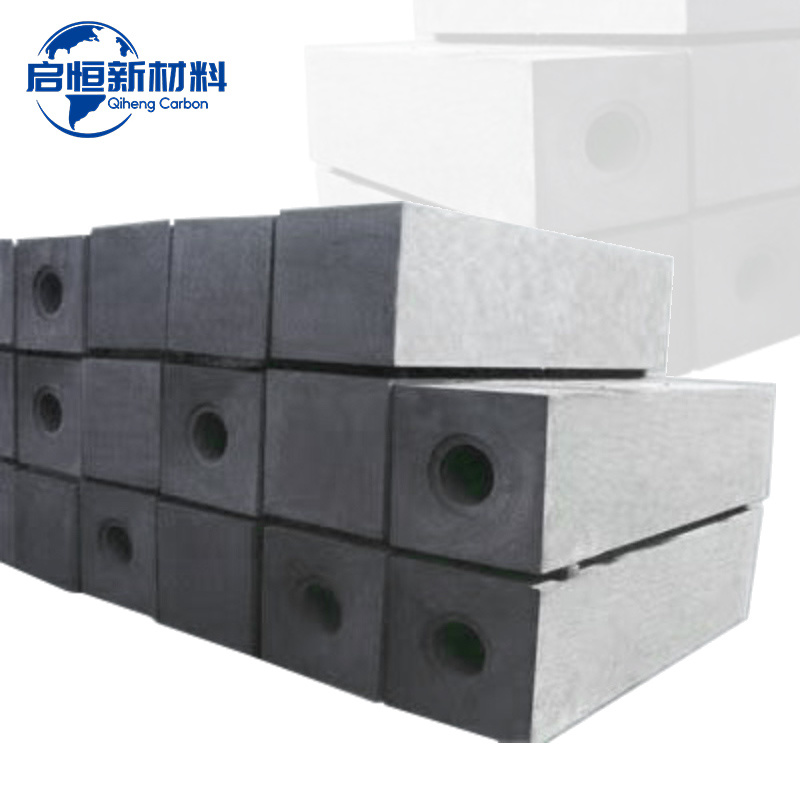
The Essential Guide to Graphite Blocks in Metallurgy and Energy Industries
Graphite blocks are pivotal materials in the metallurgy and energy industries, particularly within the non-metallic mineral products sector. These blocks, made from natural or synthetic graphite, possess unique properties that make them suitable for a wide range of applications. One of the most notable characteristics of graphite is its excellent thermal and electrical conductivity. This property
Quick Navigation
Contact Us
Mobile:
+8618031071182(Mr. Chang)
+8613703203188(Mr. Guo)
Address: West of Zholangbao Village, Shangcheng Town, Chengan County, Handan City, Hebei Province
Alibaba Store: