

Understanding High Power Graphite Electrodes: Key Insights for the Metallurgical and Energy Sectors
Jan 23,2025


Summary:
High power graphite electrodes are essential components in various industrial applications, specifically in the metallurgical and energy sectors. These electrodes play a pivotal role in electric arc furnaces (EAF) used for steel production, as well as in other processes like silicon and aluminum production. Their unique properties, including high thermal conductivity, excellent electrical conducti
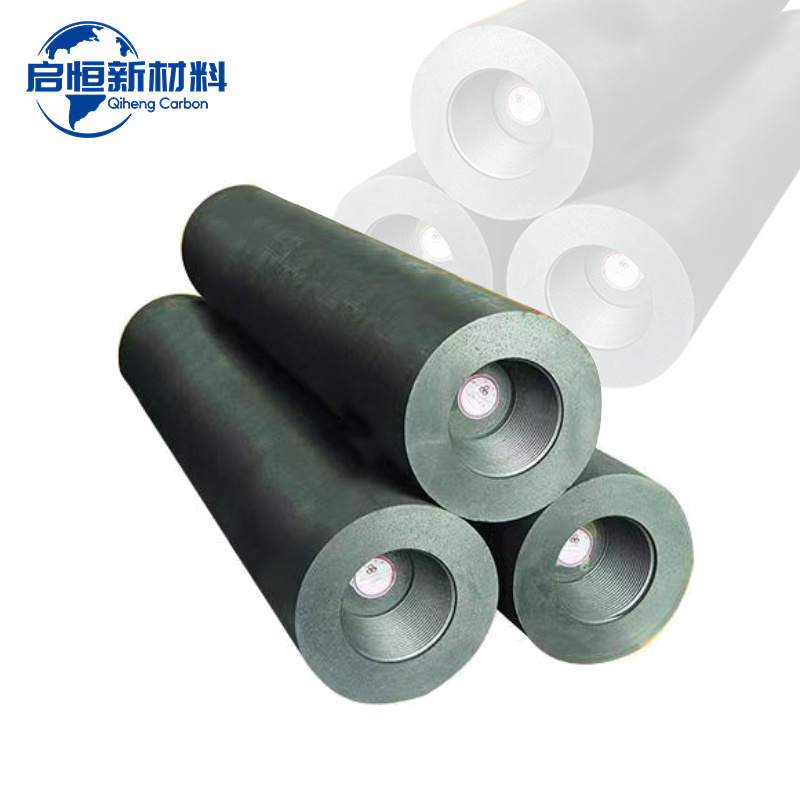
High power graphite electrodes are essential components in various industrial applications, specifically in the metallurgical and energy sectors. These electrodes play a pivotal role in electric arc furnaces (EAF) used for steel production, as well as in other processes like silicon and aluminum production. Their unique properties, including high thermal conductivity, excellent electrical conductivity, and resistance to thermal shock, make them an ideal choice for high-temperature applications.
One of the primary advantages of high power graphite electrodes is their ability to withstand extreme conditions while maintaining performance. With the increasing demand for steel and other alloys worldwide, the need for efficient and durable electrodes has never been more crucial. These electrodes facilitate the efficient melting of scrap steel and other materials, contributing to reduced energy consumption and improved production rates.
In terms of manufacturing, the production process of high power graphite electrodes involves several stages, including the selection of high-quality petroleum coke, calcination, mixing with binding agents, and finally, the graphitization process. The quality of the raw materials and the precision of the manufacturing process directly impact the performance of the final product. Thus, professionals in the industry must focus on sourcing superior materials and implementing stringent quality control measures.
Another critical aspect to consider is the environmental impact of using high power graphite electrodes. The industry faces increasing scrutiny regarding its carbon footprint and sustainability practices. Companies are encouraged to explore innovative ways to reduce emissions associated with the production and use of these electrodes. This may include investing in new technologies, such as renewable energy sources and carbon capture methods, to enhance sustainability.
Moreover, the performance of high power graphite electrodes can be affected by several factors, including electrode design, dimensions, and operating conditions. It is vital for professionals in the metallurgical and energy sectors to understand how these variables can influence the overall efficiency and longevity of the electrodes. Regular maintenance and monitoring of the electrode's performance can prevent operational issues and optimize production processes.
In conclusion, high power graphite electrodes are indispensable in the metallurgical and energy industries. Their unique properties contribute to efficient production processes while addressing the growing demands for sustainability and environmental responsibility. Industry professionals should remain informed about the latest advancements in electrode technology and consider best practices for their application to maximize efficiency and minimize environmental impact. By focusing on quality, performance, and sustainability, companies can meet the evolving needs of the market while ensuring operational excellence.
One of the primary advantages of high power graphite electrodes is their ability to withstand extreme conditions while maintaining performance. With the increasing demand for steel and other alloys worldwide, the need for efficient and durable electrodes has never been more crucial. These electrodes facilitate the efficient melting of scrap steel and other materials, contributing to reduced energy consumption and improved production rates.
In terms of manufacturing, the production process of high power graphite electrodes involves several stages, including the selection of high-quality petroleum coke, calcination, mixing with binding agents, and finally, the graphitization process. The quality of the raw materials and the precision of the manufacturing process directly impact the performance of the final product. Thus, professionals in the industry must focus on sourcing superior materials and implementing stringent quality control measures.
Another critical aspect to consider is the environmental impact of using high power graphite electrodes. The industry faces increasing scrutiny regarding its carbon footprint and sustainability practices. Companies are encouraged to explore innovative ways to reduce emissions associated with the production and use of these electrodes. This may include investing in new technologies, such as renewable energy sources and carbon capture methods, to enhance sustainability.
Moreover, the performance of high power graphite electrodes can be affected by several factors, including electrode design, dimensions, and operating conditions. It is vital for professionals in the metallurgical and energy sectors to understand how these variables can influence the overall efficiency and longevity of the electrodes. Regular maintenance and monitoring of the electrode's performance can prevent operational issues and optimize production processes.
In conclusion, high power graphite electrodes are indispensable in the metallurgical and energy industries. Their unique properties contribute to efficient production processes while addressing the growing demands for sustainability and environmental responsibility. Industry professionals should remain informed about the latest advancements in electrode technology and consider best practices for their application to maximize efficiency and minimize environmental impact. By focusing on quality, performance, and sustainability, companies can meet the evolving needs of the market while ensuring operational excellence.
Focus On Hot Spots
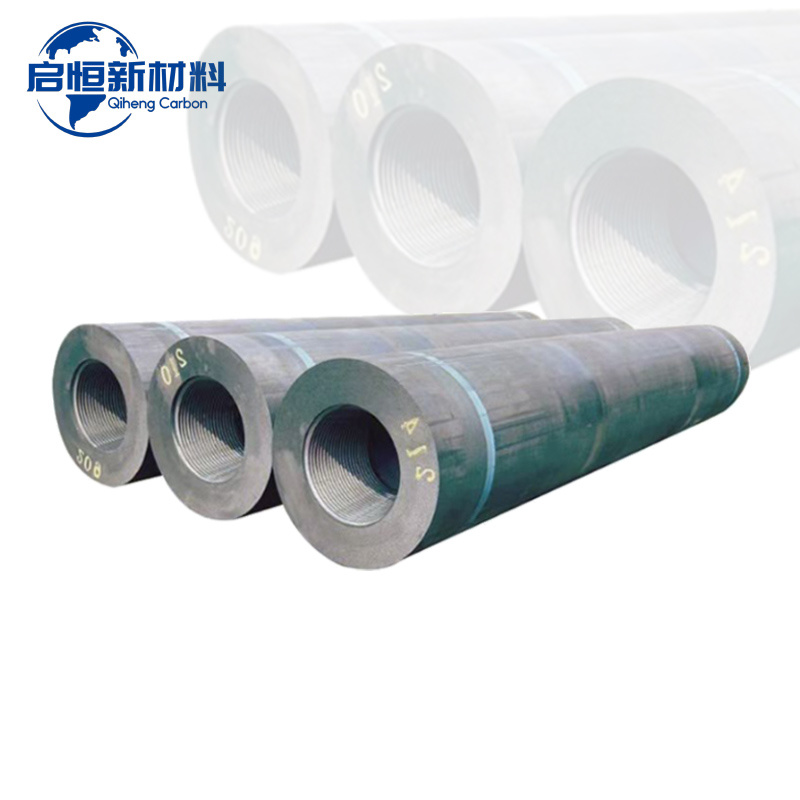
RP Graphite Electrodes: Transforming Conductivity in Metallurgical Processes
RP Graphite Electrodes: Enhancing Conductivity in Metallurgical Applications
Table of Contents
1. Introduction to RP Graphite Electrodes
2. Understanding Graphite and Its Properties
3. The Role of RP Graphite Electrodes in Metallurgy
4. Benefits of Using RP Graphite Electrodes
5. The Manufacturing Process of RP Graphite Electrodes
6. Applications of RP Graphite Electrodes
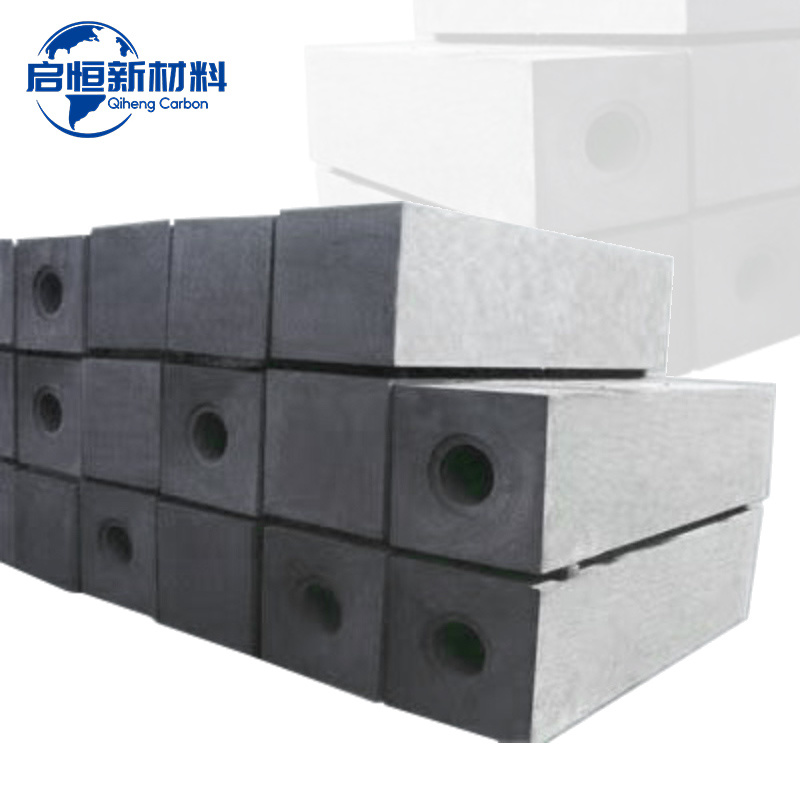
The Essential Guide to Graphite Blocks in Metallurgy and Energy Industries
Graphite blocks are pivotal materials in the metallurgy and energy industries, particularly within the non-metallic mineral products sector. These blocks, made from natural or synthetic graphite, possess unique properties that make them suitable for a wide range of applications. One of the most notable characteristics of graphite is its excellent thermal and electrical conductivity. This property
Quick Navigation
Contact Us
Mobile:
+8618031071182(Mr. Chang)
+8613703203188(Mr. Guo)
Address: West of Zholangbao Village, Shangcheng Town, Chengan County, Handan City, Hebei Province
Alibaba Store: