

The Essential Role of HP Graphite Electrodes in Metallurgy and Energy Production
Jan 17,2025


Summary:
HP graphite electrodes are an essential component in the metallurgy and energy industries, particularly in electric arc furnaces (EAF) used for steelmaking and other metallurgical processes. They are made from high-quality petroleum needle coke and are characterized by their high density and electrical conductivity. This unique combination of properties enables HP graphite electrodes to efficientl
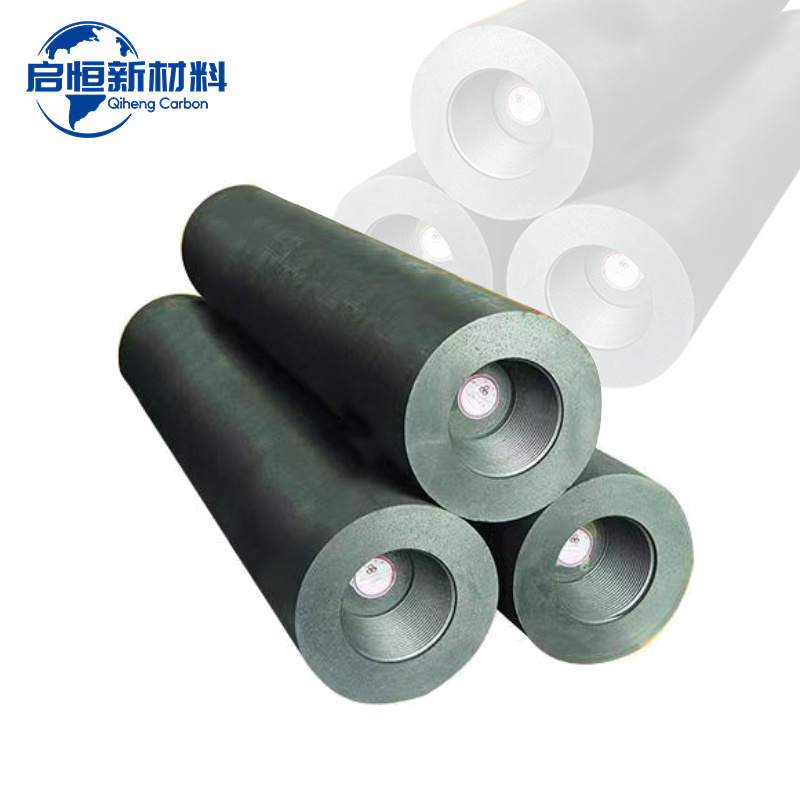
HP graphite electrodes are an essential component in the metallurgy and energy industries, particularly in electric arc furnaces (EAF) used for steelmaking and other metallurgical processes. They are made from high-quality petroleum needle coke and are characterized by their high density and electrical conductivity. This unique combination of properties enables HP graphite electrodes to efficiently conduct electricity, making them a vital part of the production process in various applications.
One of the primary uses of HP graphite electrodes is in EAFs, where they are employed to melt scrap steel and other metals. This process is crucial for recycling materials and producing high-quality steel. The efficient electrical conductivity of HP graphite electrodes ensures that the energy used during the melting process is optimized, leading to reduced energy consumption and lower operational costs. Furthermore, the high thermal resistance of these electrodes allows them to withstand the intense heat generated during the melting process, ensuring durability and longevity.
In addition to their application in steelmaking, HP graphite electrodes are also utilized in other metallurgical processes, such as the production of ferroalloys and non-ferrous metals. Their ability to maintain structural integrity at high temperatures makes them suitable for handling various materials, contributing to effective processing and yielding high-quality end products.
The demand for sustainable and environmentally friendly practices in the energy sector has also influenced the use of HP graphite electrodes. As industries shift towards more sustainable methods, the recycling of scrap metals using EAFs, paired with HP graphite electrodes, presents a viable solution. This not only reduces waste but also minimizes the carbon footprint of the metallurgical processes involved.
When selecting HP graphite electrodes, it is important to consider factors such as the electrode’s diameter, length, and quality. Each of these factors can significantly impact the performance of the electrodes in specific applications. Consequently, understanding the specifications and requirements of your particular process is crucial for ensuring optimal results.
Overall, HP graphite electrodes play a pivotal role in both the metallurgy and energy sectors. Their exceptional electrical conductivity, thermal stability, and mechanical strength make them indispensable for modern industrial processes. As industries continue to innovate and adapt, HP graphite electrodes will remain a cornerstone of efficient and sustainable practices in metal production.
One of the primary uses of HP graphite electrodes is in EAFs, where they are employed to melt scrap steel and other metals. This process is crucial for recycling materials and producing high-quality steel. The efficient electrical conductivity of HP graphite electrodes ensures that the energy used during the melting process is optimized, leading to reduced energy consumption and lower operational costs. Furthermore, the high thermal resistance of these electrodes allows them to withstand the intense heat generated during the melting process, ensuring durability and longevity.
In addition to their application in steelmaking, HP graphite electrodes are also utilized in other metallurgical processes, such as the production of ferroalloys and non-ferrous metals. Their ability to maintain structural integrity at high temperatures makes them suitable for handling various materials, contributing to effective processing and yielding high-quality end products.
The demand for sustainable and environmentally friendly practices in the energy sector has also influenced the use of HP graphite electrodes. As industries shift towards more sustainable methods, the recycling of scrap metals using EAFs, paired with HP graphite electrodes, presents a viable solution. This not only reduces waste but also minimizes the carbon footprint of the metallurgical processes involved.
When selecting HP graphite electrodes, it is important to consider factors such as the electrode’s diameter, length, and quality. Each of these factors can significantly impact the performance of the electrodes in specific applications. Consequently, understanding the specifications and requirements of your particular process is crucial for ensuring optimal results.
Overall, HP graphite electrodes play a pivotal role in both the metallurgy and energy sectors. Their exceptional electrical conductivity, thermal stability, and mechanical strength make them indispensable for modern industrial processes. As industries continue to innovate and adapt, HP graphite electrodes will remain a cornerstone of efficient and sustainable practices in metal production.
Focus On Hot Spots
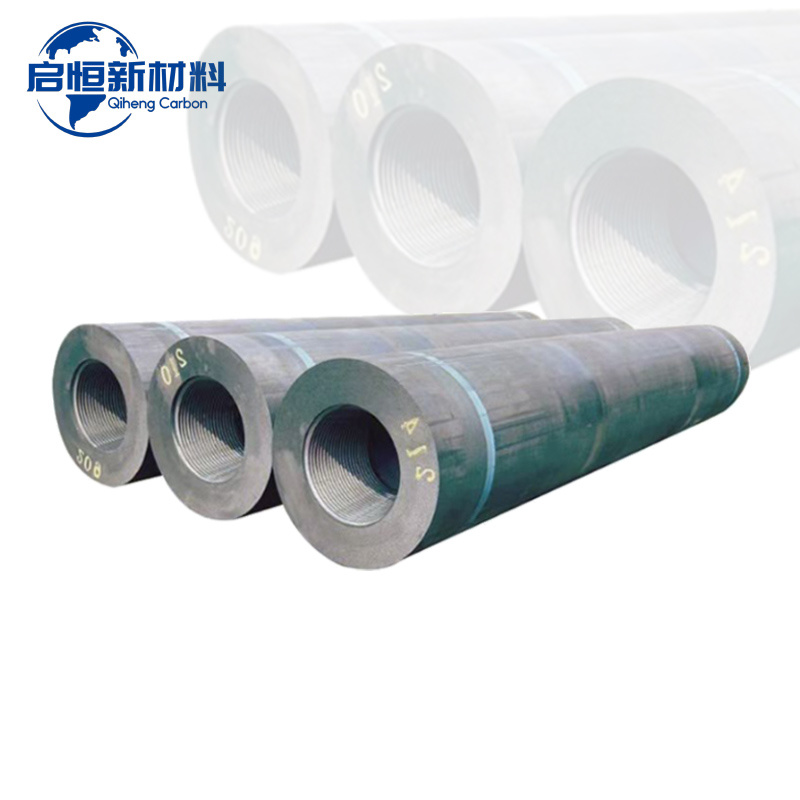
RP Graphite Electrodes: Transforming Conductivity in Metallurgical Processes
RP Graphite Electrodes: Enhancing Conductivity in Metallurgical Applications
Table of Contents
1. Introduction to RP Graphite Electrodes
2. Understanding Graphite and Its Properties
3. The Role of RP Graphite Electrodes in Metallurgy
4. Benefits of Using RP Graphite Electrodes
5. The Manufacturing Process of RP Graphite Electrodes
6. Applications of RP Graphite Electrodes
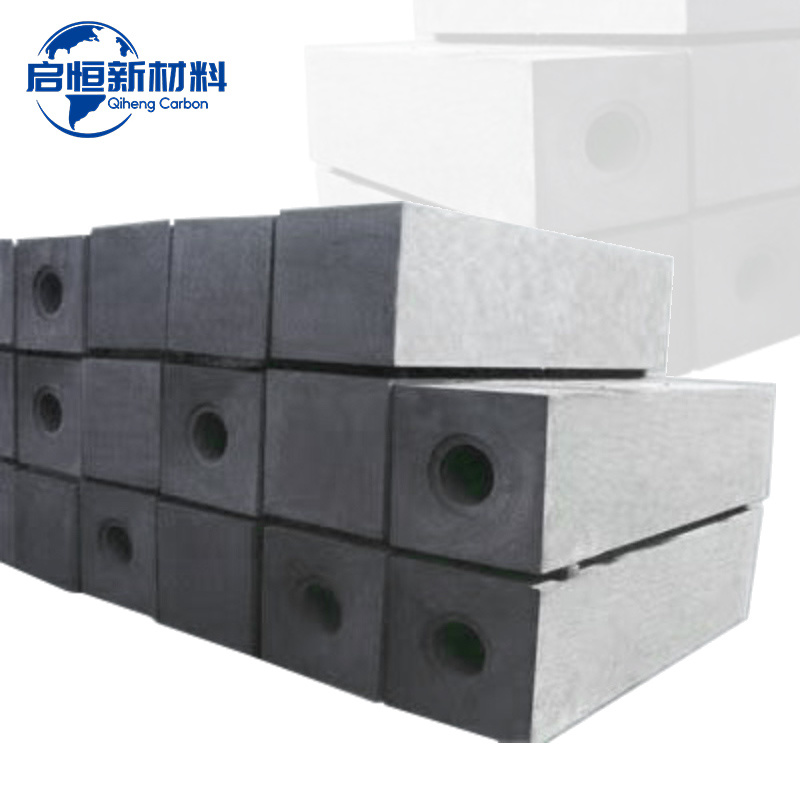
The Essential Guide to Graphite Blocks in Metallurgy and Energy Industries
Graphite blocks are pivotal materials in the metallurgy and energy industries, particularly within the non-metallic mineral products sector. These blocks, made from natural or synthetic graphite, possess unique properties that make them suitable for a wide range of applications. One of the most notable characteristics of graphite is its excellent thermal and electrical conductivity. This property
Quick Navigation
Contact Us
Mobile:
+8618031071182(Mr. Chang)
+8613703203188(Mr. Guo)
Address: West of Zholangbao Village, Shangcheng Town, Chengan County, Handan City, Hebei Province
Alibaba Store: