

Understanding HP Graphite Electrode: A Key Component in Metallurgical Applications
Jan 01,2025


Summary:
HP graphite electrodes are crucial components in the metallurgical industry, primarily used in electric arc furnaces (EAF) for steelmaking. These electrodes facilitate the electric current required to melt scrap steel and produce new steel products. The performance and quality of HP graphite electrodes directly influence the efficiency of the melting process, the overall energy consumption, and th
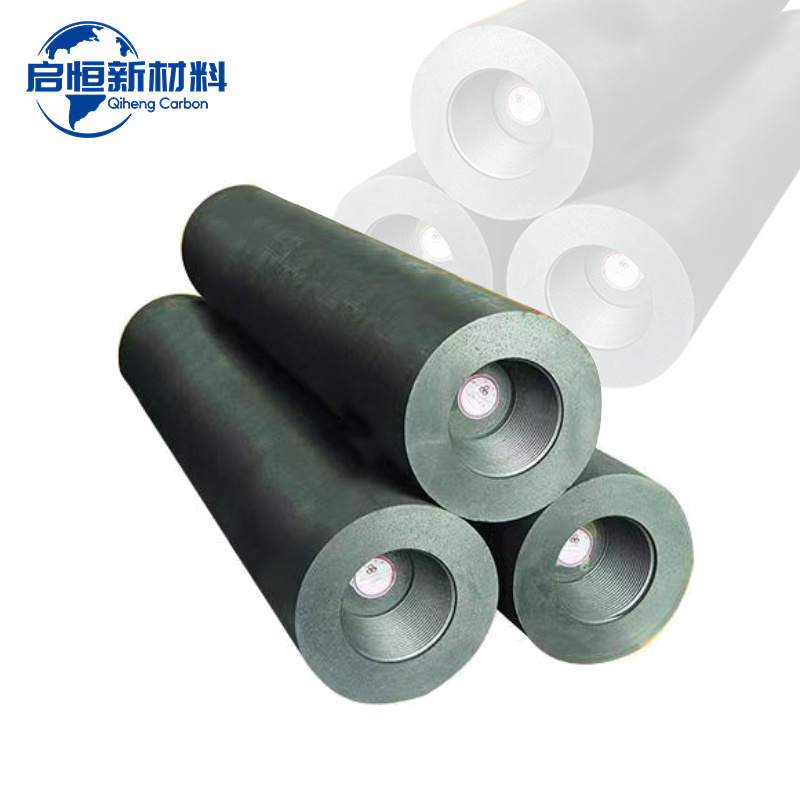
HP graphite electrodes are crucial components in the metallurgical industry, primarily used in electric arc furnaces (EAF) for steelmaking. These electrodes facilitate the electric current required to melt scrap steel and produce new steel products. The performance and quality of HP graphite electrodes directly influence the efficiency of the melting process, the overall energy consumption, and the quality of the final steel product.
Graphite, a form of carbon, is chosen for electrode production due to its exceptional electrical conductivity, high thermal resistance, and excellent mechanical strength at elevated temperatures. HP graphite electrodes have a specific density and resistance that make them suitable for high-power applications. Their ability to withstand extreme conditions allows them to operate effectively in the intense environment of an electric arc furnace, where temperatures can exceed 3,000 degrees Celsius.
One of the primary advantages of using HP graphite electrodes is their efficiency in melting operations. When the electric current passes through the electrodes, they generate heat through electrical resistance, which in turn melts the steel. This process is highly controllable, allowing for precise temperature management and enhanced melting rates. As a result, steel producers can achieve higher productivity rates compared to traditional blast furnace methods.
Moreover, the use of HP graphite electrodes contributes to the reduction of environmental impact in steel production. Electric arc furnaces powered by renewable energy sources, when combined with high-quality graphite electrodes, can significantly lower carbon emissions. This aligns with the global trend towards sustainable manufacturing practices, making HP graphite electrodes an essential part of the modern metallurgical landscape.
It’s important to consider the selection of HP graphite electrodes based on specific operational needs. Factors such as furnace size, power requirements, and the type of materials being melted can all influence the choice of electrode. Understanding these parameters helps in optimizing the performance and longevity of the electrodes while ensuring cost-effectiveness in the overall production process.
In conclusion, HP graphite electrodes play a vital role in the metallurgy sector, particularly in the production of steel through electric arc furnaces. Their unique properties and efficient performance make them indispensable for modern steelmaking, providing advantages in productivity and environmental sustainability. As the industry continues to evolve, the demand for high-quality HP graphite electrodes will likely increase, driving innovation and improvements in their manufacturing processes.
Graphite, a form of carbon, is chosen for electrode production due to its exceptional electrical conductivity, high thermal resistance, and excellent mechanical strength at elevated temperatures. HP graphite electrodes have a specific density and resistance that make them suitable for high-power applications. Their ability to withstand extreme conditions allows them to operate effectively in the intense environment of an electric arc furnace, where temperatures can exceed 3,000 degrees Celsius.
One of the primary advantages of using HP graphite electrodes is their efficiency in melting operations. When the electric current passes through the electrodes, they generate heat through electrical resistance, which in turn melts the steel. This process is highly controllable, allowing for precise temperature management and enhanced melting rates. As a result, steel producers can achieve higher productivity rates compared to traditional blast furnace methods.
Moreover, the use of HP graphite electrodes contributes to the reduction of environmental impact in steel production. Electric arc furnaces powered by renewable energy sources, when combined with high-quality graphite electrodes, can significantly lower carbon emissions. This aligns with the global trend towards sustainable manufacturing practices, making HP graphite electrodes an essential part of the modern metallurgical landscape.
It’s important to consider the selection of HP graphite electrodes based on specific operational needs. Factors such as furnace size, power requirements, and the type of materials being melted can all influence the choice of electrode. Understanding these parameters helps in optimizing the performance and longevity of the electrodes while ensuring cost-effectiveness in the overall production process.
In conclusion, HP graphite electrodes play a vital role in the metallurgy sector, particularly in the production of steel through electric arc furnaces. Their unique properties and efficient performance make them indispensable for modern steelmaking, providing advantages in productivity and environmental sustainability. As the industry continues to evolve, the demand for high-quality HP graphite electrodes will likely increase, driving innovation and improvements in their manufacturing processes.
Focus On Hot Spots
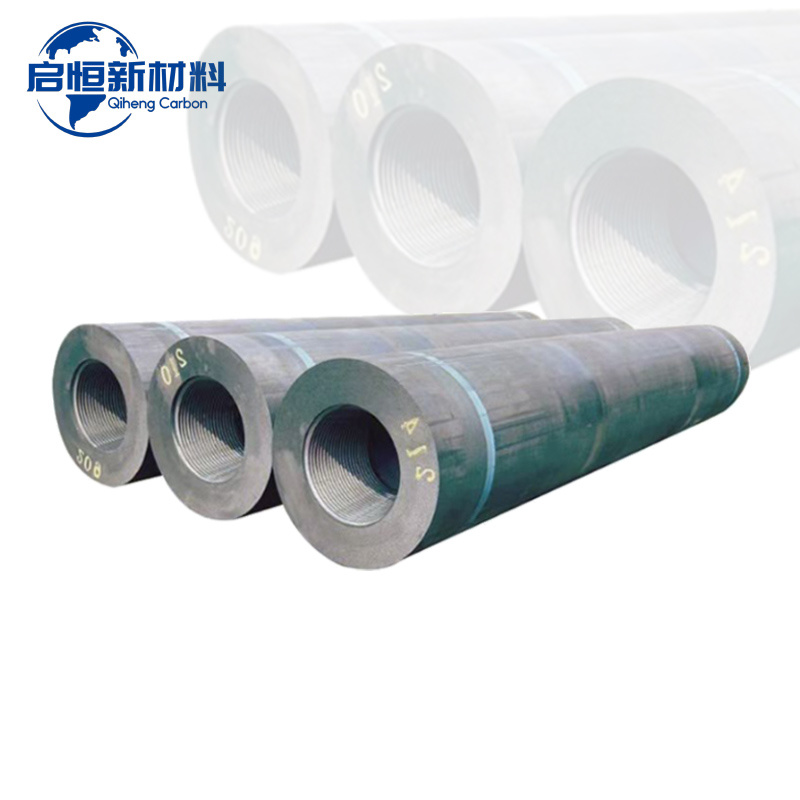
RP Graphite Electrodes: Transforming Conductivity in Metallurgical Processes
RP Graphite Electrodes: Enhancing Conductivity in Metallurgical Applications
Table of Contents
1. Introduction to RP Graphite Electrodes
2. Understanding Graphite and Its Properties
3. The Role of RP Graphite Electrodes in Metallurgy
4. Benefits of Using RP Graphite Electrodes
5. The Manufacturing Process of RP Graphite Electrodes
6. Applications of RP Graphite Electrodes
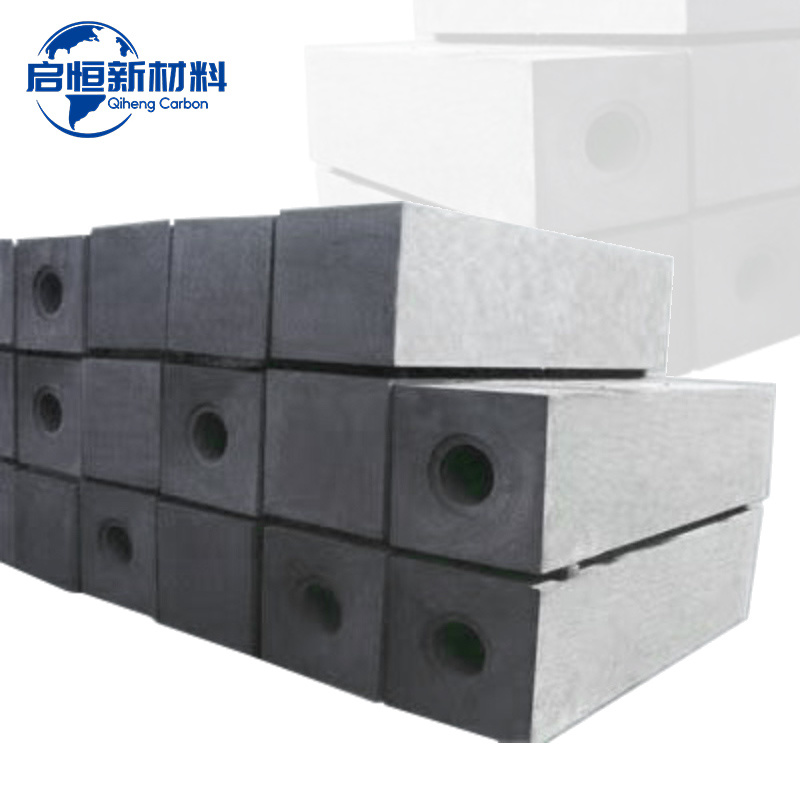
The Essential Guide to Graphite Blocks in Metallurgy and Energy Industries
Graphite blocks are pivotal materials in the metallurgy and energy industries, particularly within the non-metallic mineral products sector. These blocks, made from natural or synthetic graphite, possess unique properties that make them suitable for a wide range of applications. One of the most notable characteristics of graphite is its excellent thermal and electrical conductivity. This property
Quick Navigation
Contact Us
Mobile:
+8618031071182(Mr. Chang)
+8613703203188(Mr. Guo)
Address: West of Zholangbao Village, Shangcheng Town, Chengan County, Handan City, Hebei Province
Alibaba Store: