

Understanding Graphite Electrode Carbon Bricks: Key Concepts and Applications
Jan 10,2026


Summary:
Graphite electrode carbon bricks are essential materials widely used in various industrial applications, particularly in the metallurgy and energy sectors. These bricks, composed primarily of high-quality graphite, play a critical role in electrical conductivity and thermal stability, making them indispensable in processes like electric arc furnace (EAF) steelmaking.
One of the primary advantages
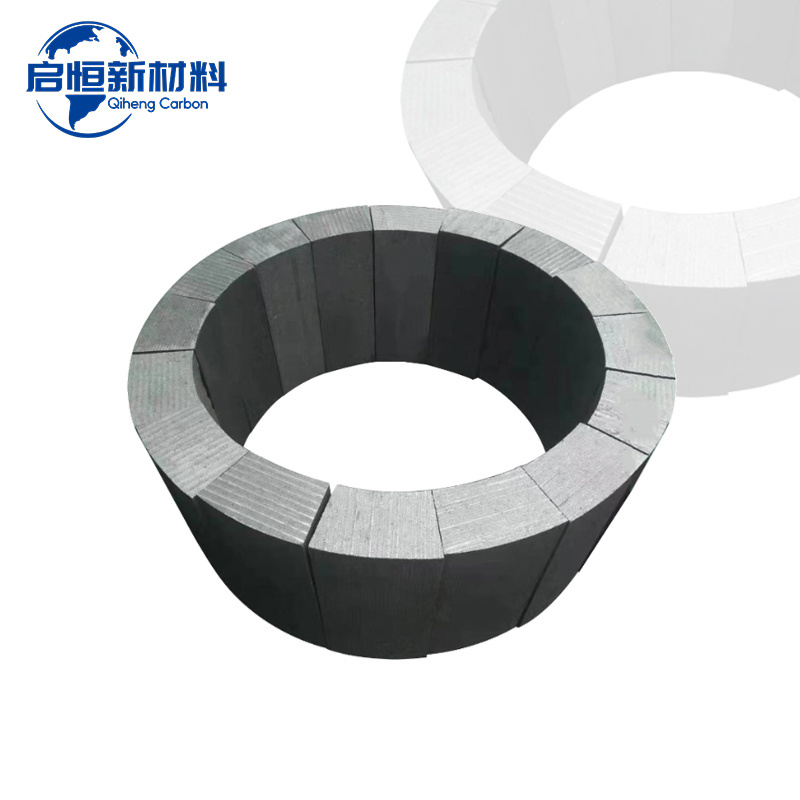
Graphite electrode carbon bricks are essential materials widely used in various industrial applications, particularly in the metallurgy and energy sectors. These bricks, composed primarily of high-quality graphite, play a critical role in electrical conductivity and thermal stability, making them indispensable in processes like electric arc furnace (EAF) steelmaking.
One of the primary advantages of graphite electrode carbon bricks is their exceptional thermal and electrical conductivity. This characteristic enables efficient heat transfer during metallurgical processes, reducing energy consumption and improving overall productivity. Moreover, the bricks exhibit excellent resistance to thermal shock and mechanical stress, ensuring longevity and reliability in high-temperature environments.
The manufacturing process of these bricks involves the careful selection of raw materials, which are then subjected to high-temperature graphitization. This process enhances the properties of the carbon bricks, resulting in a product that is not only durable but also capable of maintaining structural integrity under extreme conditions. The quality of the graphite used directly impacts the performance of the final product, making it crucial to source high-purity materials.
In addition to their application in steelmaking, graphite electrode carbon bricks find use in various other industries. For instance, they are utilized in the production of silicon metal and other non-ferrous metals, where the need for stable and efficient electrical conductivity is paramount. Furthermore, these bricks are also employed in the manufacturing of certain types of batteries, where their conductive properties can improve performance and lifespan.
The versatility of graphite electrode carbon bricks makes them a valuable asset in the industrial landscape. Their ability to withstand high temperatures and corrosive environments allows them to be used in numerous applications beyond metallurgy. As industries continue to seek more efficient and sustainable methods of production, the demand for high-quality graphite materials is likely to grow.
In summary, graphite electrode carbon bricks are a vital component in various industrial processes, particularly in the metallurgy and energy sectors. Their exceptional properties, including thermal stability and electrical conductivity, make them suitable for a wide range of applications. As industries evolve, understanding the significance of these materials will be crucial for professionals looking to leverage their benefits for enhanced efficiency and productivity.
One of the primary advantages of graphite electrode carbon bricks is their exceptional thermal and electrical conductivity. This characteristic enables efficient heat transfer during metallurgical processes, reducing energy consumption and improving overall productivity. Moreover, the bricks exhibit excellent resistance to thermal shock and mechanical stress, ensuring longevity and reliability in high-temperature environments.
The manufacturing process of these bricks involves the careful selection of raw materials, which are then subjected to high-temperature graphitization. This process enhances the properties of the carbon bricks, resulting in a product that is not only durable but also capable of maintaining structural integrity under extreme conditions. The quality of the graphite used directly impacts the performance of the final product, making it crucial to source high-purity materials.
In addition to their application in steelmaking, graphite electrode carbon bricks find use in various other industries. For instance, they are utilized in the production of silicon metal and other non-ferrous metals, where the need for stable and efficient electrical conductivity is paramount. Furthermore, these bricks are also employed in the manufacturing of certain types of batteries, where their conductive properties can improve performance and lifespan.
The versatility of graphite electrode carbon bricks makes them a valuable asset in the industrial landscape. Their ability to withstand high temperatures and corrosive environments allows them to be used in numerous applications beyond metallurgy. As industries continue to seek more efficient and sustainable methods of production, the demand for high-quality graphite materials is likely to grow.
In summary, graphite electrode carbon bricks are a vital component in various industrial processes, particularly in the metallurgy and energy sectors. Their exceptional properties, including thermal stability and electrical conductivity, make them suitable for a wide range of applications. As industries evolve, understanding the significance of these materials will be crucial for professionals looking to leverage their benefits for enhanced efficiency and productivity.
Previous:
Focus On Hot Spots
Understanding Graphite Electrode Carbon Bricks: Key Concepts and Applications
Graphite electrode carbon bricks are essential materials widely used in various industrial applications, particularly in the metallurgy and energy sectors. These bricks, composed primarily of high-quality graphite, play a critical role in electrical conductivity and thermal stability, making them indispensable in processes like electric arc furnace (EAF) steelmaking.
One of the primary advantages
Overcoming the Challenges in the Carbon Graphite Electrode Supply Chain: Insights and Solutions
Understanding the Carbon Graphite Electrode Supply Chain
The carbon graphite electrode supply chain is pivotal in numerous industries, particularly in metallurgy and energy production. As a key component in electric arc furnaces, these electrodes play a significant role in steelmaking and other metallurgical processes. However, the supply chain is fraught with challenges that can hinder production
Quick Navigation
Contact Us
Mobile:
+8618031071182(Mr. Chang)
+8613703203188(Mr. Guo)
Address: West of Zholangbao Village, Shangcheng Town, Chengan County, Handan City, Hebei Province
Alibaba Store: