
Overcoming the Challenges in the Carbon Graphite Electrode Supply Chain: Insights and Solutions
Jan 05,2026


Summary:
Understanding the Carbon Graphite Electrode Supply Chain
The carbon graphite electrode supply chain is pivotal in numerous industries, particularly in metallurgy and energy production. As a key component in electric arc furnaces, these electrodes play a significant role in steelmaking and other metallurgical processes. However, the supply chain is fraught with challenges that can hinder production
Understanding the Carbon Graphite Electrode Supply Chain
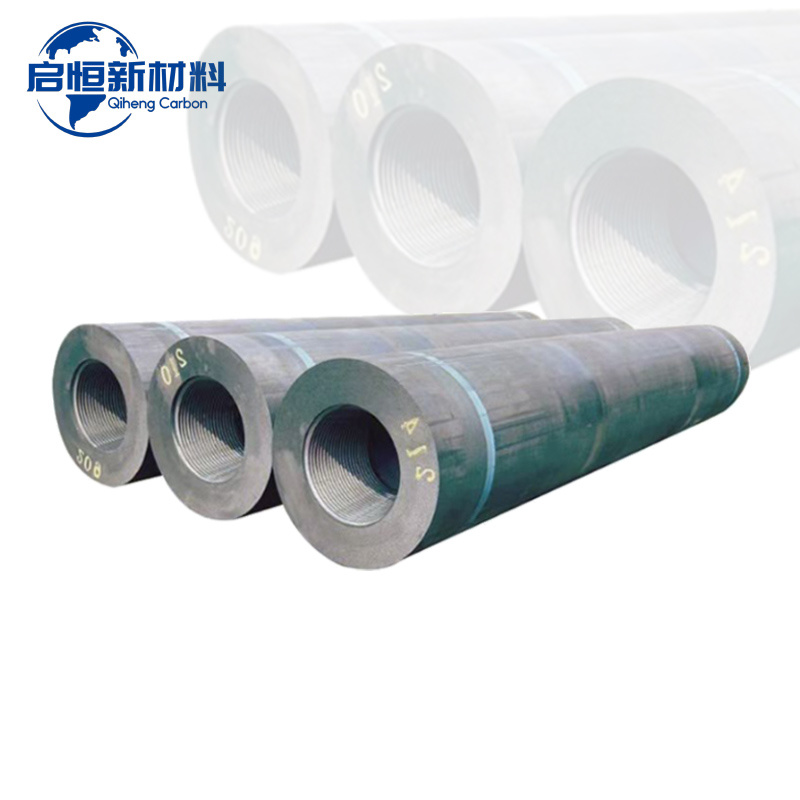
The carbon graphite electrode supply chain is pivotal in numerous industries, particularly in metallurgy and energy production. As a key component in electric arc furnaces, these electrodes play a significant role in steelmaking and other metallurgical processes. However, the supply chain is fraught with challenges that can hinder production, increase costs, and affect overall quality.
The Importance of Carbon Graphite Electrodes
Carbon graphite electrodes are essential for conducting electricity in electric arc furnaces. Their high thermal conductivity and resistance to thermal shock make them indispensable in the production of steel and other metals. The increasing demand for steel, driven by industrial growth and infrastructure projects, has placed immense pressure on the supply chain of these electrodes.
Key Challenges in the Carbon Graphite Electrode Supply Chain
Numerous challenges plague the carbon graphite electrode supply chain, affecting its efficiency and reliability. Understanding these challenges is crucial for stakeholders looking to optimize their operations and secure a stable supply of high-quality electrodes.
1. Raw Material Sourcing Issues
One of the primary challenges in the carbon graphite electrode supply chain is securing high-quality raw materials. The production of electrodes relies heavily on petroleum needle coke and coal tar pitch, both of which can face supply constraints due to geopolitical tensions, environmental regulations, and market fluctuations.
2. Production Capacity Limitations
As demand for carbon graphite electrodes increases, many manufacturers struggle with production capacity. The complex process of manufacturing electrodes requires significant investment in technology and facilities. Limited production capacity can lead to supply shortages, increased lead times, and elevated costs.
3. Transportation and Logistics Challenges
Transporting carbon graphite electrodes from manufacturing facilities to end-users presents its own set of challenges. The electrodes are bulky and fragile, requiring careful handling and specialized transportation methods. Delays in logistics can result in production downtime for companies relying on timely deliveries.
4. Environmental and Regulatory Compliance
The carbon graphite electrode industry faces stringent environmental regulations aimed at reducing carbon emissions and promoting sustainability. Compliance with these regulations can increase production costs and necessitate changes in operational practices, further complicating the supply chain.
5. Price Volatility in the Market
The prices of raw materials used in the production of carbon graphite electrodes are subject to significant fluctuations. Market volatility can be attributed to various factors, including changes in global demand, supply disruptions, and trade policies. This unpredictability poses a risk for manufacturers and consumers alike.
6. Quality Control and Assurance
Ensuring consistent quality in carbon graphite electrodes is vital for their performance in industrial applications. Variability in raw materials and manufacturing processes can lead to defects, impacting the reliability of the electrodes. Companies must implement stringent quality control measures to mitigate these risks.
Strategies for Mitigating Supply Chain Challenges
To address the challenges in the carbon graphite electrode supply chain, stakeholders must adopt strategic measures aimed at enhancing efficiency, reducing risks, and ensuring sustainability.
1. Diversifying Raw Material Sources
One effective strategy for mitigating raw material sourcing issues is to diversify suppliers. By establishing relationships with multiple suppliers across different regions, companies can reduce reliance on a single source and minimize the impact of supply disruptions.
2. Investing in Production Capacity
To meet growing demand, manufacturers should consider investing in advanced production technologies and expanding their facilities. Automation and process optimization can improve efficiency and increase production capacity, allowing companies to better respond to market needs.
3. Enhancing Transportation Management
Implementing advanced transportation management systems can help streamline logistics and minimize delays. Companies should consider adopting just-in-time delivery practices and collaborating with logistics providers to ensure timely and safe transportation of electrodes.
4. Embracing Sustainable Practices
Incorporating sustainable practices into the manufacturing process can address environmental concerns while improving the overall efficiency of the supply chain. Utilizing more eco-friendly raw materials and adopting cleaner production technologies can help companies comply with regulations and enhance their market reputation.
5. Implementing Price Risk Management Strategies
To navigate price volatility, companies can adopt hedging strategies to lock in prices for raw materials. Additionally, maintaining flexible pricing models can help manufacturers adjust to market fluctuations while ensuring competitiveness.
6. Strengthening Quality Management Systems
Investing in robust quality management systems is essential for ensuring consistent product quality. Companies should implement rigorous testing and quality assurance processes throughout the production cycle to identify defects early and maintain high standards.
The Future of the Carbon Graphite Electrode Supply Chain
Looking ahead, the carbon graphite electrode supply chain will continue to evolve in response to changing market dynamics, technological advancements, and sustainability pressures. Companies that proactively address challenges and embrace innovation will be better positioned to thrive in this competitive landscape.
1. Technological Innovations
Emerging technologies, such as artificial intelligence and machine learning, can enhance production efficiency and quality control. The integration of these technologies into the manufacturing process can lead to smarter decision-making and improved supply chain management.
2. Sustainability Initiatives
As environmental concerns become more pressing, companies in the carbon graphite electrode supply chain must prioritize sustainability initiatives. This includes investing in renewable energy sources, reducing waste, and exploring alternative materials to minimize their carbon footprint.
3. Global Market Trends
The global demand for carbon graphite electrodes is expected to rise, driven by growth in the steel industry and increasing investments in renewable energy. Companies must stay attuned to market trends and adapt their strategies to capitalize on new opportunities.
Frequently Asked Questions (FAQs)
1. What are carbon graphite electrodes used for?
Carbon graphite electrodes are primarily used in electric arc furnaces for steel production. They conduct electricity and facilitate the melting of scrap steel and other metals.
2. What raw materials are used to produce carbon graphite electrodes?
The main raw materials for carbon graphite electrodes include petroleum needle coke and coal tar pitch. These materials are essential for achieving the desired electrical and thermal properties of the electrodes.
3. What challenges do manufacturers face in the electrode supply chain?
Manufacturers face challenges such as raw material sourcing issues, production capacity limitations, transportation logistics, regulatory compliance, and price volatility.
4. How can companies improve the efficiency of their supply chains?
Companies can improve efficiency by diversifying raw material sources, investing in production capacity, enhancing transportation management, and implementing robust quality control systems.
5. What is the future outlook for the carbon graphite electrode market?
The carbon graphite electrode market is expected to see continued growth due to rising steel demand and advancements in renewable energy technologies. Companies that embrace sustainability and innovation will likely thrive.
Conclusion
The challenges in the carbon graphite electrode supply chain are multifaceted, impacting every stage from raw material sourcing to end-user delivery. By adopting strategic approaches to diversify supply sources, invest in production capacity, and prioritize sustainability, stakeholders can navigate these complexities successfully. As the market evolves, proactive measures will be key in ensuring a stable, efficient, and resilient supply chain for carbon graphite electrodes, ultimately supporting the broader industries that rely on these vital components.
Previous:
Focus On Hot Spots
Overcoming the Challenges in the Carbon Graphite Electrode Supply Chain: Insights and Solutions
Understanding the Carbon Graphite Electrode Supply Chain
The carbon graphite electrode supply chain is pivotal in numerous industries, particularly in metallurgy and energy production. As a key component in electric arc furnaces, these electrodes play a significant role in steelmaking and other metallurgical processes. However, the supply chain is fraught with challenges that can hinder production
Understanding Graphite Electrodes for Steel Making: A Key Component in Metallurgical Processes
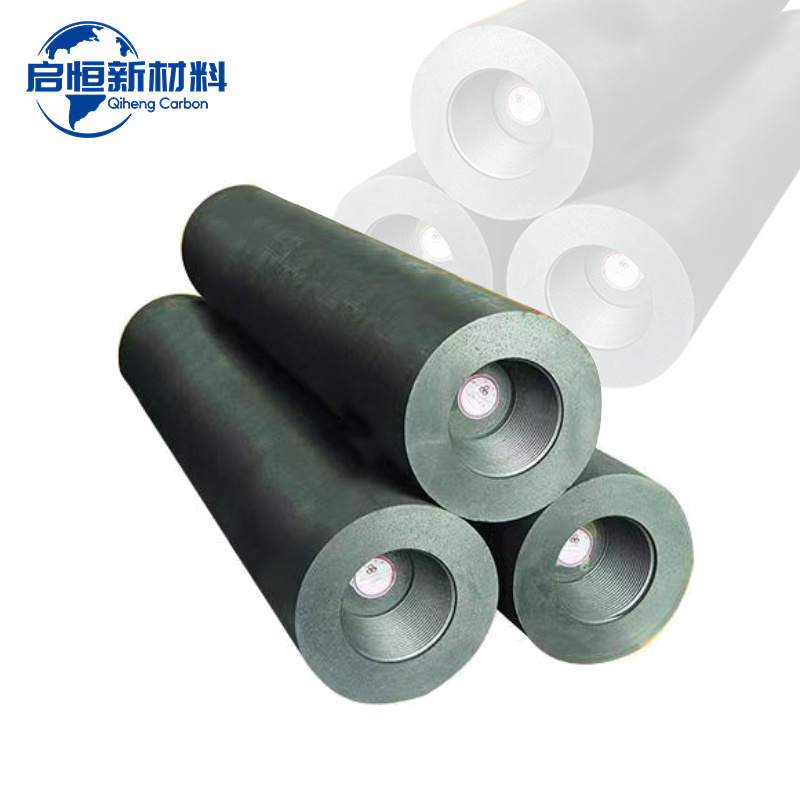
Graphite electrodes are essential components in the production of steel using Electric Arc Furnaces (EAFs). These electrodes serve as conductive materials that facilitate the passage of electric current, generating the temperatures necessary for melting scrap steel and other ferrous materials. The production of steel through this method has gained immense popularity due to its energy efficiency an
Quick Navigation
Contact Us
Mobile:
+8618031071182(Mr. Chang)
+8613703203188(Mr. Guo)
Address: West of Zholangbao Village, Shangcheng Town, Chengan County, Handan City, Hebei Province
Alibaba Store: