

The Essential Role of HP Graphite Electrodes in Metallurgy and Energy Applications
Dec 19,2025


Summary:
HP graphite electrodes are critical components in the metallurgy and energy sectors, particularly in applications involving electric arc furnaces (EAF) and other high-temperature processes. These electrodes are made from high-purity petroleum needle coke, which is subjected to high temperatures in a graphitization process. The resulting material exhibits excellent electrical conductivity, thermal
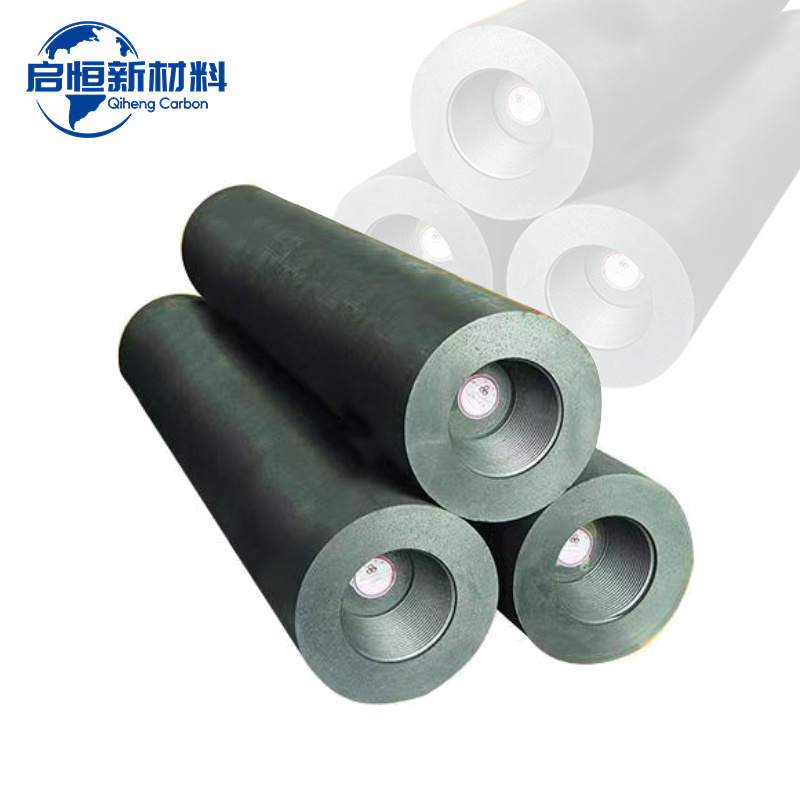
HP graphite electrodes are critical components in the metallurgy and energy sectors, particularly in applications involving electric arc furnaces (EAF) and other high-temperature processes. These electrodes are made from high-purity petroleum needle coke, which is subjected to high temperatures in a graphitization process. The resulting material exhibits excellent electrical conductivity, thermal resistance, and mechanical strength, making it ideal for various industrial applications.
One of the primary uses of HP graphite electrodes is in the production of steel. Electric arc furnaces utilize these electrodes to melt scrap steel, allowing for a more energy-efficient recycling process compared to traditional blast furnaces. The efficiency of the melting process, coupled with the ability to control the temperature, leads to higher-quality steel production while minimizing environmental impact.
In addition to steel manufacturing, HP graphite electrodes are also used in other metallurgical processes, such as producing ferroalloys and non-ferrous metals. Their ability to withstand extreme temperatures and conductivity ensures that they can perform effectively in environments where traditional materials might fail. Moreover, their longevity reduces the need for frequent replacements, which can save both time and resources in industrial operations.
The significance of HP graphite electrodes extends into the energy sector as well. These electrodes are employed in various applications, including electric arc furnaces and other systems that require high power density. Their ability to conduct electricity efficiently translates to lower energy consumption, making them a preferred choice for industries looking to enhance their energy-efficiency strategies.
Furthermore, the increasing demand for sustainable practices in industries has led to a growing interest in HP graphite electrodes. As the world moves toward greener technologies, these electrodes support the shift by enabling recycling processes that reduce waste and lower carbon emissions. Their role in recycling not only conserves natural resources but also aligns with global sustainability goals.
In conclusion, HP graphite electrodes are indispensable in both metallurgy and energy applications. Their unique properties, including high electrical conductivity and thermal resistance, coupled with their capacity to contribute to energy-efficient and sustainable industrial processes, make them a vital component in modern manufacturing. Understanding their functionalities and benefits can help professionals in the metallurgy and energy sectors make informed decisions on material selection and operational efficiency.
One of the primary uses of HP graphite electrodes is in the production of steel. Electric arc furnaces utilize these electrodes to melt scrap steel, allowing for a more energy-efficient recycling process compared to traditional blast furnaces. The efficiency of the melting process, coupled with the ability to control the temperature, leads to higher-quality steel production while minimizing environmental impact.
In addition to steel manufacturing, HP graphite electrodes are also used in other metallurgical processes, such as producing ferroalloys and non-ferrous metals. Their ability to withstand extreme temperatures and conductivity ensures that they can perform effectively in environments where traditional materials might fail. Moreover, their longevity reduces the need for frequent replacements, which can save both time and resources in industrial operations.
The significance of HP graphite electrodes extends into the energy sector as well. These electrodes are employed in various applications, including electric arc furnaces and other systems that require high power density. Their ability to conduct electricity efficiently translates to lower energy consumption, making them a preferred choice for industries looking to enhance their energy-efficiency strategies.
Furthermore, the increasing demand for sustainable practices in industries has led to a growing interest in HP graphite electrodes. As the world moves toward greener technologies, these electrodes support the shift by enabling recycling processes that reduce waste and lower carbon emissions. Their role in recycling not only conserves natural resources but also aligns with global sustainability goals.
In conclusion, HP graphite electrodes are indispensable in both metallurgy and energy applications. Their unique properties, including high electrical conductivity and thermal resistance, coupled with their capacity to contribute to energy-efficient and sustainable industrial processes, make them a vital component in modern manufacturing. Understanding their functionalities and benefits can help professionals in the metallurgy and energy sectors make informed decisions on material selection and operational efficiency.
Previous:
Focus On Hot Spots
The Essential Role of HP Graphite Electrodes in Metallurgy and Energy Applications
HP graphite electrodes are critical components in the metallurgy and energy sectors, particularly in applications involving electric arc furnaces (EAF) and other high-temperature processes. These electrodes are made from high-purity petroleum needle coke, which is subjected to high temperatures in a graphitization process. The resulting material exhibits excellent electrical conductivity, thermal
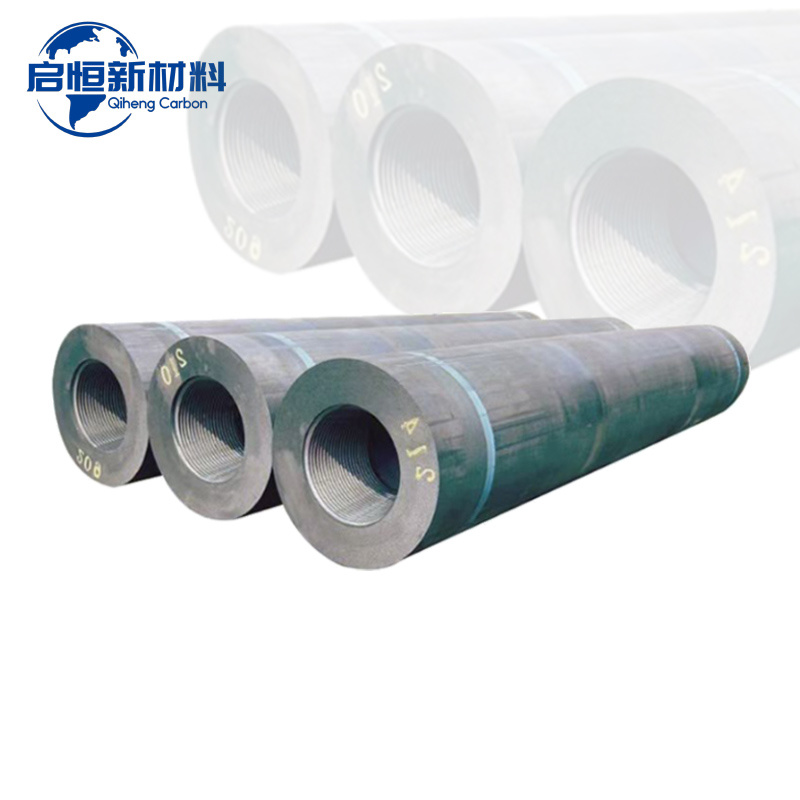
RP Graphite Electrodes: Transforming Conductivity in Metallurgical Processes
RP Graphite Electrodes: Enhancing Conductivity in Metallurgical Applications
Table of Contents
1. Introduction to RP Graphite Electrodes
2. Understanding Graphite and Its Properties
3. The Role of RP Graphite Electrodes in Metallurgy
4. Benefits of Using RP Graphite Electrodes
5. The Manufacturing Process of RP Graphite Electrodes
6. Applications of RP Graphite Electrodes
Quick Navigation
Contact Us
Mobile:
+8618031071182(Mr. Chang)
+8613703203188(Mr. Guo)
Address: West of Zholangbao Village, Shangcheng Town, Chengan County, Handan City, Hebei Province
Alibaba Store: