

The Essential Guide to HP Graphite Electrode in Metallurgy and Energy Industries
Jul 27,2025


Summary:
HP graphite electrodes are integral components in the metallurgy and energy industries, particularly in electric arc furnaces (EAF) and ladle furnaces. These electrodes are primarily composed of high-purity graphite, which is produced from petroleum coke and a binding agent. The uniqueness of HP graphite electrodes lies in their exceptional electrical conductivity, thermal stability, and mechanica
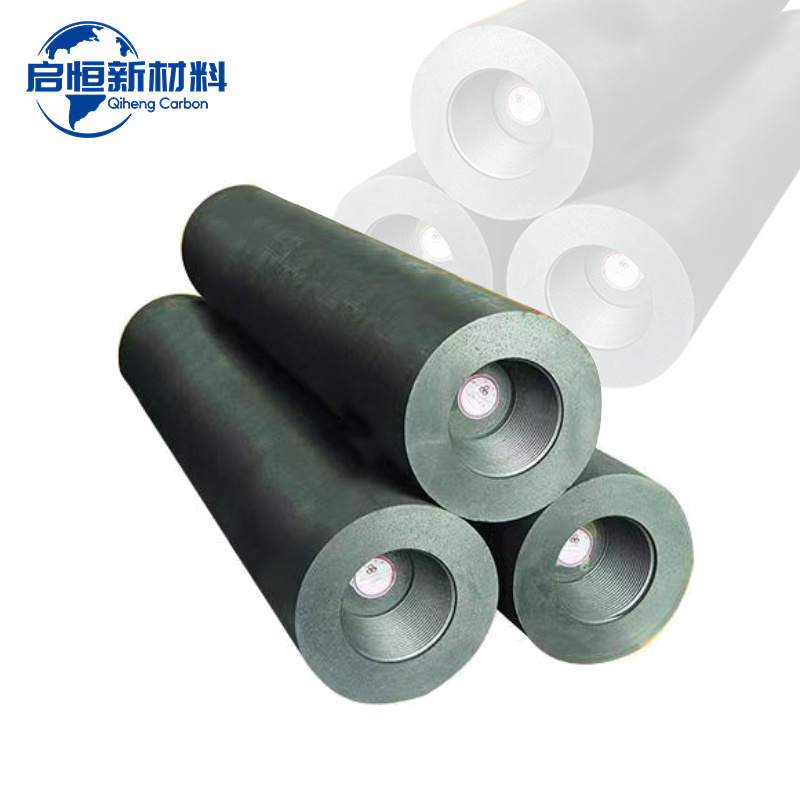
HP graphite electrodes are integral components in the metallurgy and energy industries, particularly in electric arc furnaces (EAF) and ladle furnaces. These electrodes are primarily composed of high-purity graphite, which is produced from petroleum coke and a binding agent. The uniqueness of HP graphite electrodes lies in their exceptional electrical conductivity, thermal stability, and mechanical strength, making them suitable for high-temperature applications.
One of the primary uses of HP graphite electrodes is in the production of steel through the EAF process. In this method, electricity is passed through the electrodes, generating the heat necessary to melt scrap steel or direct reduced iron. This process is not only efficient but also environmentally friendly, as it minimizes waste and emissions compared to traditional blast furnaces. The quality of the HP graphite electrodes significantly influences the energy efficiency and operational costs of the EAF, making their selection a critical aspect for metallurgical operations.
In addition to steel production, HP graphite electrodes are also widely used in various applications such as the production of ferroalloys and non-ferrous metals. The electrodes enable precise temperature control during the metallurgical processes, ensuring that the desired chemical reactions occur efficiently, which ultimately enhances product quality.
The manufacturing process of HP graphite electrodes involves several intricate steps, including compaction, baking, and graphitization. Each stage contributes to the final product's quality, affecting its performance in industrial applications. The quality standards and specifications for HP graphite electrodes are strictly defined, and manufacturers aim to produce electrodes that can withstand the rigors of high-temperature operations while maintaining a low electrical resistance.
Furthermore, the demand for HP graphite electrodes is expected to increase due to the growing emphasis on sustainable practices and the shift towards electric-based steelmaking methods. Innovations in electrode technology, such as improved materials and production techniques, are also paving the way for enhanced performance and longevity.
In conclusion, HP graphite electrodes play a vital role in the metallurgical and energy industries, facilitating efficient and sustainable production processes. Understanding their properties and applications can help industry professionals make informed decisions regarding their use, ultimately leading to improved operational efficiency and product quality. Investing in high-quality HP graphite electrodes can significantly impact the overall success and sustainability of metallurgical operations.
One of the primary uses of HP graphite electrodes is in the production of steel through the EAF process. In this method, electricity is passed through the electrodes, generating the heat necessary to melt scrap steel or direct reduced iron. This process is not only efficient but also environmentally friendly, as it minimizes waste and emissions compared to traditional blast furnaces. The quality of the HP graphite electrodes significantly influences the energy efficiency and operational costs of the EAF, making their selection a critical aspect for metallurgical operations.
In addition to steel production, HP graphite electrodes are also widely used in various applications such as the production of ferroalloys and non-ferrous metals. The electrodes enable precise temperature control during the metallurgical processes, ensuring that the desired chemical reactions occur efficiently, which ultimately enhances product quality.
The manufacturing process of HP graphite electrodes involves several intricate steps, including compaction, baking, and graphitization. Each stage contributes to the final product's quality, affecting its performance in industrial applications. The quality standards and specifications for HP graphite electrodes are strictly defined, and manufacturers aim to produce electrodes that can withstand the rigors of high-temperature operations while maintaining a low electrical resistance.
Furthermore, the demand for HP graphite electrodes is expected to increase due to the growing emphasis on sustainable practices and the shift towards electric-based steelmaking methods. Innovations in electrode technology, such as improved materials and production techniques, are also paving the way for enhanced performance and longevity.
In conclusion, HP graphite electrodes play a vital role in the metallurgical and energy industries, facilitating efficient and sustainable production processes. Understanding their properties and applications can help industry professionals make informed decisions regarding their use, ultimately leading to improved operational efficiency and product quality. Investing in high-quality HP graphite electrodes can significantly impact the overall success and sustainability of metallurgical operations.
Focus On Hot Spots
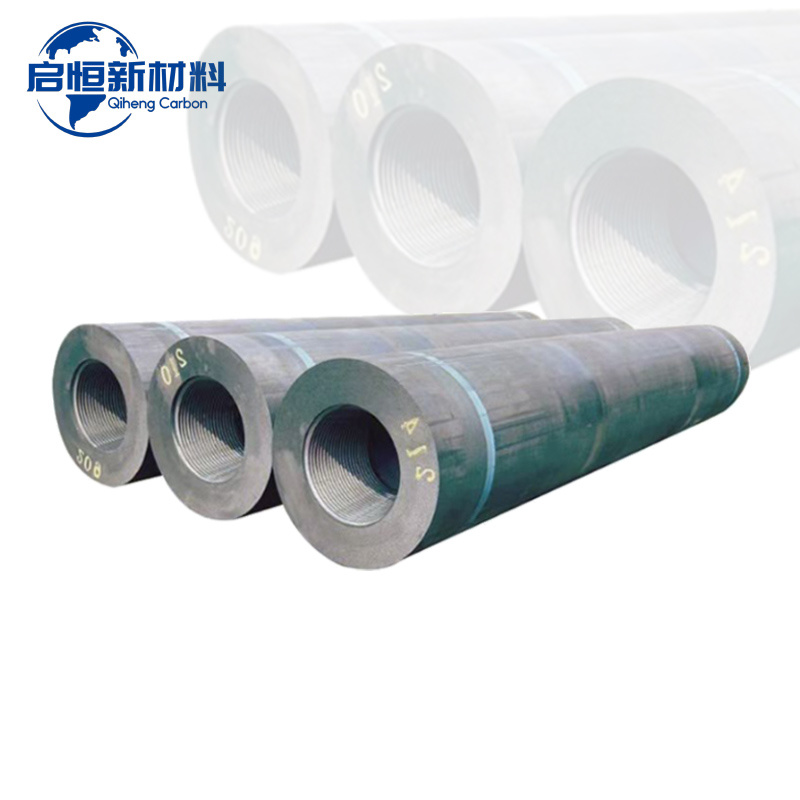
RP Graphite Electrodes: Transforming Conductivity in Metallurgical Processes
RP Graphite Electrodes: Enhancing Conductivity in Metallurgical Applications
Table of Contents
1. Introduction to RP Graphite Electrodes
2. Understanding Graphite and Its Properties
3. The Role of RP Graphite Electrodes in Metallurgy
4. Benefits of Using RP Graphite Electrodes
5. The Manufacturing Process of RP Graphite Electrodes
6. Applications of RP Graphite Electrodes
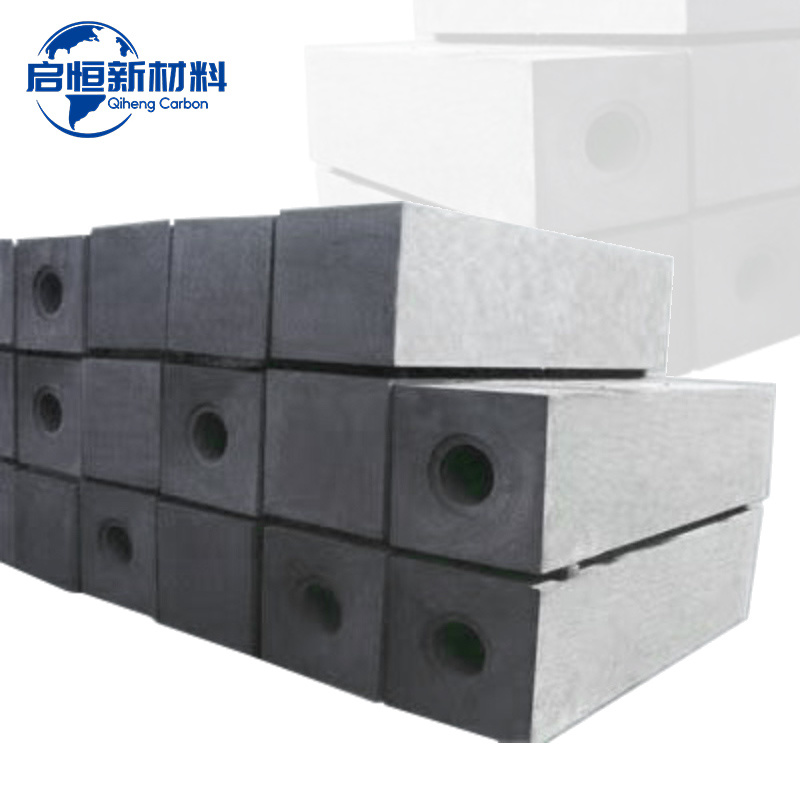
The Essential Guide to Graphite Blocks in Metallurgy and Energy Industries
Graphite blocks are pivotal materials in the metallurgy and energy industries, particularly within the non-metallic mineral products sector. These blocks, made from natural or synthetic graphite, possess unique properties that make them suitable for a wide range of applications. One of the most notable characteristics of graphite is its excellent thermal and electrical conductivity. This property
Quick Navigation
Contact Us
Mobile:
+8618031071182(Mr. Chang)
+8613703203188(Mr. Guo)
Address: West of Zholangbao Village, Shangcheng Town, Chengan County, Handan City, Hebei Province
Alibaba Store: