

Understanding Graphite Blocks: Essential Insights for the Metallurgy and Energy Sector
Mar 20,2025


Summary:
Graphite blocks are specialized components widely utilized in various industries, especially in metallurgy and energy sectors. Their unique properties, such as high thermal conductivity, excellent electrical conductivity, and remarkable resistance to corrosion and oxidation, make them essential in numerous applications. Understanding these characteristics can help businesses optimize their product
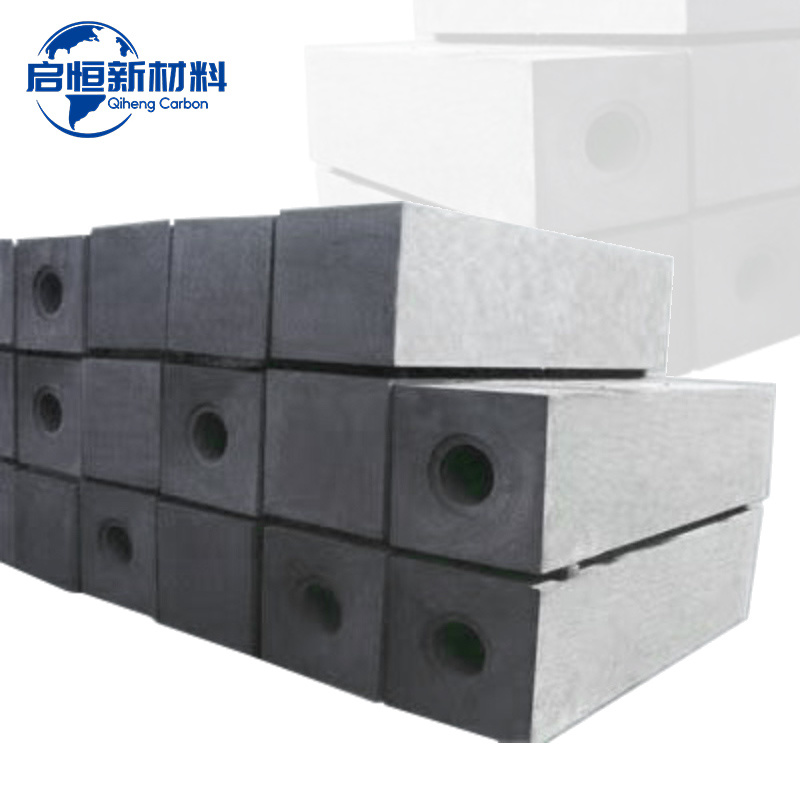
Graphite blocks are specialized components widely utilized in various industries, especially in metallurgy and energy sectors. Their unique properties, such as high thermal conductivity, excellent electrical conductivity, and remarkable resistance to corrosion and oxidation, make them essential in numerous applications. Understanding these characteristics can help businesses optimize their production processes and improve their products' overall performance.
One of the primary uses of graphite blocks is in the manufacturing of electrodes for electric arc furnaces. In this context, the high thermal and electrical conductivity of graphite is crucial for efficiently melting metals. The quality of graphite blocks used can significantly impact the energy consumption and efficiency of the melting process. Therefore, selecting the right type of graphite block is essential to ensure optimal performance and cost-effectiveness.
In addition to electrode production, graphite blocks are also employed in the casting and foundry industries. Their ability to withstand high temperatures without deforming or losing structural integrity makes them ideal for molds and cores. This property is particularly beneficial in producing complex metal components, where precision and durability are paramount. Utilizing high-quality graphite blocks can lead to reduced production times and improved overall product quality.
Moreover, graphite blocks are integral in the energy sector, particularly in the production of batteries. With the growing demand for renewable energy sources and electric vehicles, the need for efficient energy storage solutions has risen. Graphite blocks serve as a critical component in lithium-ion batteries, where they act as the anode material. Their performance directly influences the battery's energy density and charging speed, making the selection of high-purity graphite blocks essential for manufacturers aiming to produce high-performance batteries.
In conclusion, graphite blocks are versatile components playing a vital role in the metallurgy and energy industries. Their unique properties allow for various applications, from electric arc furnaces to battery production. By understanding the significance of graphite blocks and selecting the right type for specific applications, companies can enhance their operational efficiency and product quality. Investing in high-quality graphite blocks not only improves production processes but also contributes to the overall sustainability of operations in these critical industries.
One of the primary uses of graphite blocks is in the manufacturing of electrodes for electric arc furnaces. In this context, the high thermal and electrical conductivity of graphite is crucial for efficiently melting metals. The quality of graphite blocks used can significantly impact the energy consumption and efficiency of the melting process. Therefore, selecting the right type of graphite block is essential to ensure optimal performance and cost-effectiveness.
In addition to electrode production, graphite blocks are also employed in the casting and foundry industries. Their ability to withstand high temperatures without deforming or losing structural integrity makes them ideal for molds and cores. This property is particularly beneficial in producing complex metal components, where precision and durability are paramount. Utilizing high-quality graphite blocks can lead to reduced production times and improved overall product quality.
Moreover, graphite blocks are integral in the energy sector, particularly in the production of batteries. With the growing demand for renewable energy sources and electric vehicles, the need for efficient energy storage solutions has risen. Graphite blocks serve as a critical component in lithium-ion batteries, where they act as the anode material. Their performance directly influences the battery's energy density and charging speed, making the selection of high-purity graphite blocks essential for manufacturers aiming to produce high-performance batteries.
In conclusion, graphite blocks are versatile components playing a vital role in the metallurgy and energy industries. Their unique properties allow for various applications, from electric arc furnaces to battery production. By understanding the significance of graphite blocks and selecting the right type for specific applications, companies can enhance their operational efficiency and product quality. Investing in high-quality graphite blocks not only improves production processes but also contributes to the overall sustainability of operations in these critical industries.
Focus On Hot Spots
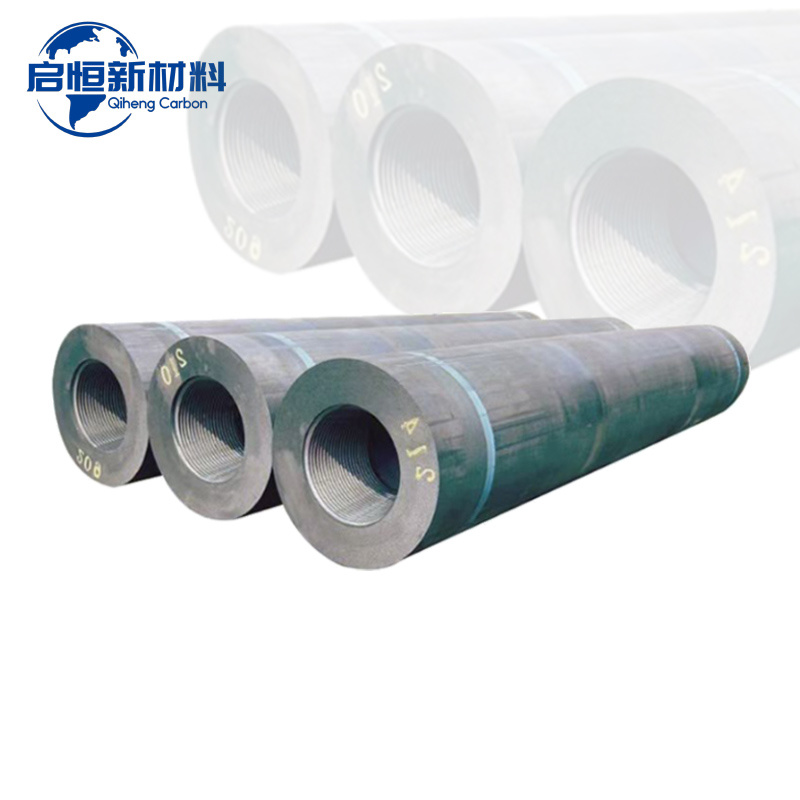
RP Graphite Electrodes: Transforming Conductivity in Metallurgical Processes
RP Graphite Electrodes: Enhancing Conductivity in Metallurgical Applications
Table of Contents
1. Introduction to RP Graphite Electrodes
2. Understanding Graphite and Its Properties
3. The Role of RP Graphite Electrodes in Metallurgy
4. Benefits of Using RP Graphite Electrodes
5. The Manufacturing Process of RP Graphite Electrodes
6. Applications of RP Graphite Electrodes
The Essential Guide to Graphite Blocks in Metallurgy and Energy Industries
Graphite blocks are pivotal materials in the metallurgy and energy industries, particularly within the non-metallic mineral products sector. These blocks, made from natural or synthetic graphite, possess unique properties that make them suitable for a wide range of applications. One of the most notable characteristics of graphite is its excellent thermal and electrical conductivity. This property
Quick Navigation
Contact Us
Mobile:
+8618031071182(Mr. Chang)
+8613703203188(Mr. Guo)
Address: West of Zholangbao Village, Shangcheng Town, Chengan County, Handan City, Hebei Province
Alibaba Store: