

The Essential Role of RP Graphite Electrodes in Energy Production: A Deep Dive
Jan 16,2025


Summary:
The Essential Role of RP Graphite Electrodes in Energy Production
Table of Contents
1. Introduction to RP Graphite Electrodes
2. The Nature of RP Graphite Electrodes
3. The Manufacturing Process of RP Graphite Electrodes
4. Key Applications in Energy Production
5. Advantages of RP Graphite Electrodes in Energy Systems
6. Future Trends in RP Graphite Electrode
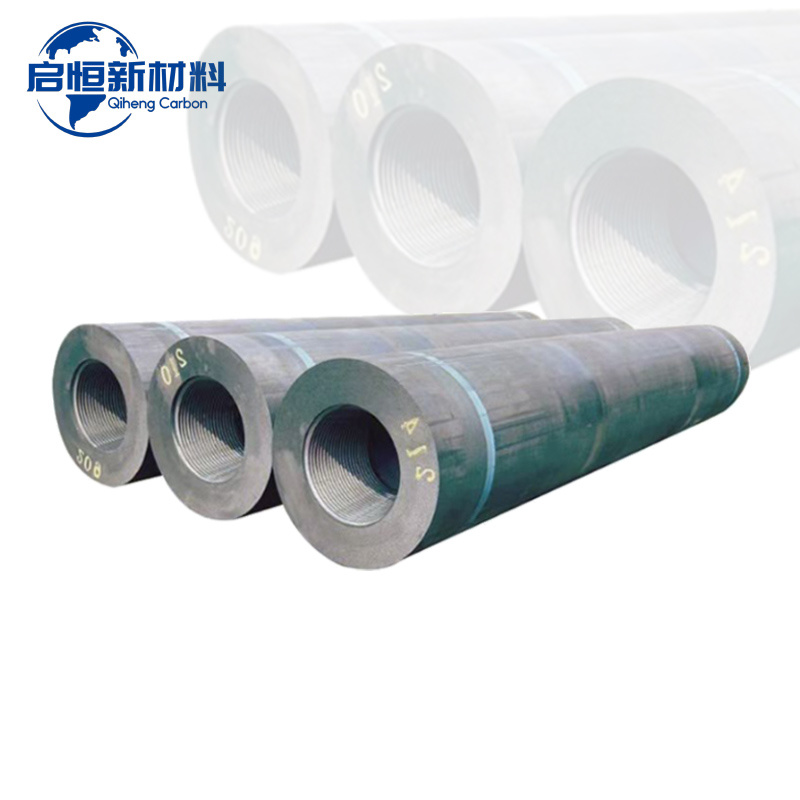
The Essential Role of RP Graphite Electrodes in Energy Production
Table of Contents
- 1. Introduction to RP Graphite Electrodes
- 2. The Nature of RP Graphite Electrodes
- 3. The Manufacturing Process of RP Graphite Electrodes
- 4. Key Applications in Energy Production
- 5. Advantages of RP Graphite Electrodes in Energy Systems
- 6. Future Trends in RP Graphite Electrodes
- 7. Sustainability Aspects of RP Graphite Electrodes
- 8. Frequently Asked Questions (FAQs)
- 9. Conclusion
1. Introduction to RP Graphite Electrodes
RP graphite electrodes, or Regular Power graphite electrodes, play an indispensable role in energy production, especially in electric arc furnaces (EAFs) used in metallurgy. These electrodes are crucial for facilitating the electrical conductivity required for melting and processing metals. Understanding the significance of RP graphite electrodes is essential for comprehending their contributions to efficient energy generation and sustainable practices in various industries.
2. The Nature of RP Graphite Electrodes
RP graphite electrodes are primarily made from high-quality petroleum coke and pitch. The unique properties of graphite, such as high thermal resistance, electrical conductivity, and chemical stability, make these electrodes ideal for high-temperature applications.
2.1 Composition and Properties
The composition of RP graphite electrodes usually comprises about 70% to 80% of carbon content, which provides their conductivity. The manufacturing process ensures that the electrodes maintain structural integrity even under extreme conditions, making them reliable for various applications.
2.2 Types of Graphite Electrodes
While RP graphite electrodes are widely used, there are other types, including HP (High Power) and UHP (Ultra High Power) graphite electrodes. Each type serves different applications and requires varying levels of power input, contributing to the versatility of graphite electrodes in energy production.
3. The Manufacturing Process of RP Graphite Electrodes
The manufacturing process of RP graphite electrodes involves several stages, including the selection of raw materials, mixing, forming, baking, and graphitization.
3.1 Raw Material Selection
The quality of RP graphite electrodes begins with the selection of raw materials. High-quality petroleum coke and coal tar pitch are essential for producing electrodes with superior properties.
3.2 Mixing and Forming
The selected materials are mixed and formed into electrode shapes. This process can involve extrusion or molding techniques to achieve the desired dimensions and density.
3.3 Baking and Graphitization
After forming, the electrodes undergo a baking process at high temperatures, which transforms the pitch into a carbon structure. The final graphitization process exposes the electrodes to even higher temperatures, aligning the carbon atoms and enhancing electrical conductivity.
4. Key Applications in Energy Production
RP graphite electrodes find extensive applications in energy production, particularly in electric arc furnaces, which are pivotal for recycling steel and producing new metals.
4.1 Electric Arc Furnaces (EAF)
EAFs utilize RP graphite electrodes to generate the high temperatures necessary for melting scrap steel and other alloys, making them vital for steel manufacturing. The efficient use of energy in EAFs is partly due to the excellent conductivity of graphite electrodes.
4.2 Renewable Energy Technologies
In addition to metallurgy, RP graphite electrodes are increasingly used in renewable energy technologies, such as solar energy systems and battery production. Their ability to withstand high temperatures and chemical reactions makes them suitable for various applications in energy conversion and storage systems.
5. Advantages of RP Graphite Electrodes in Energy Systems
The use of RP graphite electrodes in energy systems offers numerous advantages that enhance operational efficiency and sustainability.
5.1 High Thermal Conductivity
The high thermal conductivity of RP graphite electrodes allows for efficient heat transfer during the melting process, contributing to faster production cycles and reduced energy consumption.
5.2 Chemical Stability
Graphite electrodes exhibit excellent chemical stability, enabling them to withstand corrosive environments without deteriorating. This property extends the lifespan of the electrodes, reducing the frequency of replacements and associated costs.
5.3 Reduced Energy Consumption
The efficiency of RP graphite electrodes in conducting electricity helps reduce overall energy consumption in industrial processes, making them a cost-effective solution in energy-intensive applications.
6. Future Trends in RP Graphite Electrodes
As industries continue to advance, the future of RP graphite electrodes appears promising, with several trends emerging.
6.1 Technological Innovations
Technological advancements in material science are leading to the development of new electrode designs that enhance performance and reduce costs. Innovations such as improved manufacturing methods and enhanced raw materials are expected to play a significant role.
6.2 Increased Demand in Renewable Energy
With the global shift towards renewable energy sources, the demand for RP graphite electrodes is anticipated to rise. Their role in energy storage and conversion technologies positions them as vital components in the transition to sustainable energy solutions.
7. Sustainability Aspects of RP Graphite Electrodes
Sustainability is becoming increasingly important in energy production, and RP graphite electrodes contribute to this movement.
7.1 Recycling Potential
The recycling of graphite electrodes is an emerging trend that allows for the recovery of materials and minimizes waste. As industries seek to reduce their environmental impact, recycling practices will likely gain traction.
7.2 Energy Efficiency
The use of RP graphite electrodes in EAFs and renewable energy technologies promotes energy efficiency. By enabling lower energy consumption, these electrodes help reduce the carbon footprint associated with energy production.
8. Frequently Asked Questions (FAQs)
8.1 What are RP graphite electrodes used for?
RP graphite electrodes are primarily used in electric arc furnaces for melting and recycling metals, particularly steel.
8.2 How are RP graphite electrodes manufactured?
RP graphite electrodes are manufactured through a process that includes raw material selection, mixing, forming, baking, and graphitization to achieve high-quality electrodes.
8.3 What advantages do RP graphite electrodes offer?
RP graphite electrodes provide high thermal conductivity, chemical stability, and reduced energy consumption, making them efficient in energy-intensive applications.
8.4 What is the future of RP graphite electrodes in energy production?
The future of RP graphite electrodes includes technological innovations and increased demand due to the growing focus on renewable energy solutions.
8.5 Are RP graphite electrodes environmentally friendly?
While the production of RP graphite electrodes involves energy consumption, their role in promoting energy efficiency and recycling contributes to sustainability efforts in energy production.
9. Conclusion
In summary, RP graphite electrodes play a **vital role** in energy production, with their unique properties and applications in electric arc furnaces and renewable energy technologies. As industries evolve, the ongoing innovations and increased focus on sustainability will likely enhance the significance of RP graphite electrodes. Their ability to improve energy efficiency and support recycling initiatives positions them as indispensable components in the future of energy production. Understanding the multifaceted benefits of RP graphite electrodes is essential for stakeholders in the energy sector, as they seek effective, sustainable solutions for energy generation and industrial processes.
Focus On Hot Spots
RP Graphite Electrodes: Transforming Conductivity in Metallurgical Processes
RP Graphite Electrodes: Enhancing Conductivity in Metallurgical Applications
Table of Contents
1. Introduction to RP Graphite Electrodes
2. Understanding Graphite and Its Properties
3. The Role of RP Graphite Electrodes in Metallurgy
4. Benefits of Using RP Graphite Electrodes
5. The Manufacturing Process of RP Graphite Electrodes
6. Applications of RP Graphite Electrodes
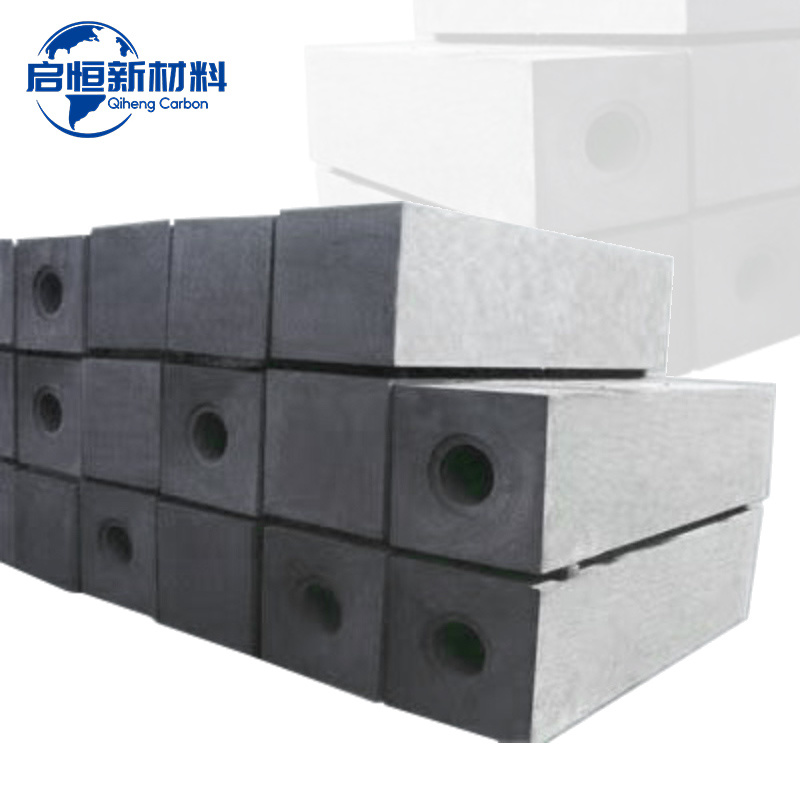
The Essential Guide to Graphite Blocks in Metallurgy and Energy Industries
Graphite blocks are pivotal materials in the metallurgy and energy industries, particularly within the non-metallic mineral products sector. These blocks, made from natural or synthetic graphite, possess unique properties that make them suitable for a wide range of applications. One of the most notable characteristics of graphite is its excellent thermal and electrical conductivity. This property
Quick Navigation
Contact Us
Mobile:
+8618031071182(Mr. Chang)
+8613703203188(Mr. Guo)
Address: West of Zholangbao Village, Shangcheng Town, Chengan County, Handan City, Hebei Province
Alibaba Store: