

Unlocking the Potential of Graphite Square in Metalworking: A Comprehensive Guide
Dec 24,2024


Summary:
Unlocking the Potential of Graphite Square in Metalworking
Table of Contents
1. Introduction to Graphite Squares in Metalworking
2. Properties of Graphite Squares
2.1 Electrical Conductivity
2.2 Thermal Stability
2.3 Lubrication Qualities
3. Applications of Graphite Squares in Metalworking
3.1 Tool Manufacturing
3.2 Mold and Die Making
3.3 Welding and Soldering
4. Advantages of Using Graphite Squa
Unlocking the Potential of Graphite Square in Metalworking
Table of Contents
1. Introduction to Graphite Squares in Metalworking
2. Properties of Graphite Squares
2.1 Electrical Conductivity
2.2 Thermal Stability
2.3 Lubrication Qualities
3. Applications of Graphite Squares in Metalworking
3.1 Tool Manufacturing
3.2 Mold and Die Making
3.3 Welding and Soldering
4. Advantages of Using Graphite Squares
4.1 Enhanced Precision
4.2 Cost-Effectiveness
4.3 Increased Lifespan of Tools
5. Comparing Graphite Squares with Other Materials
5.1 Graphite vs. Metal Alloys
5.2 Graphite vs. Ceramic Materials
6. Future Trends in Graphite Square Usage
7. Common FAQs about Graphite Squares in Metalworking
8. Conclusion
1. Introduction to Graphite Squares in Metalworking
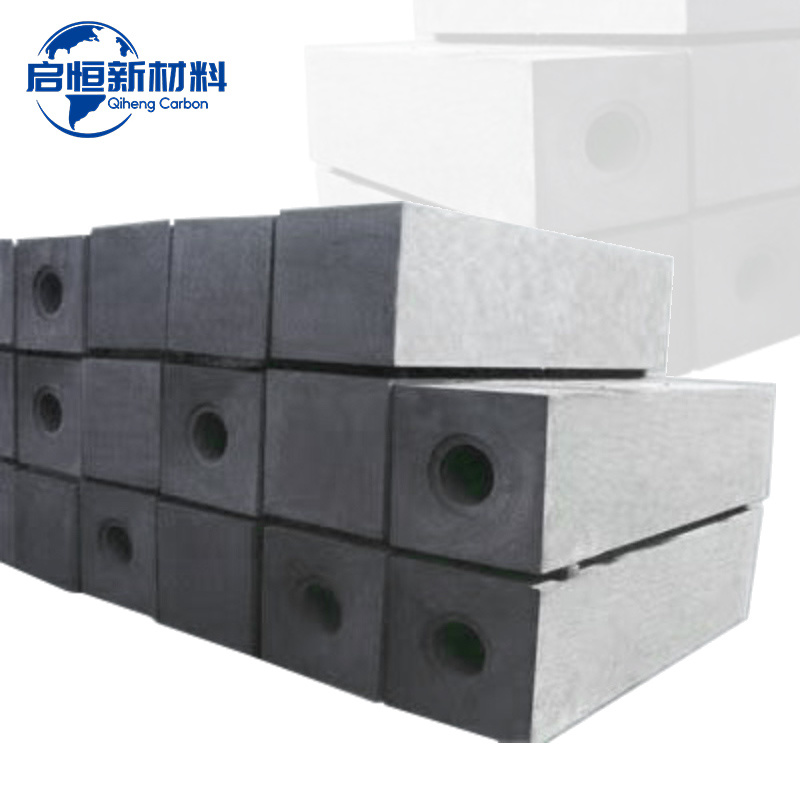
Graphite squares have emerged as vital components in modern metalworking, significantly influencing various processes. These squares are made from high-purity graphite and are available in various sizes and grades, tailored to meet the specific needs of different applications. As industries seek more efficient and effective materials, graphite squares offer unique properties that enhance metalworking practices.
2. Properties of Graphite Squares
Graphite squares possess several intrinsic properties that make them ideal for metalworking applications. Understanding these properties can help industries leverage their potential to improve outcomes.
2.1 Electrical Conductivity
One of the most notable features of graphite squares is their **exceptional electrical conductivity**. This property is vital in applications that require electrical discharge machining (EDM) and other processes where electrical currents are utilized. Graphite squares ensure efficient energy transfer, resulting in improved performance and reduced energy consumption.
2.2 Thermal Stability
Graphite squares exhibit **remarkable thermal stability**, which allows them to withstand high temperatures without degrading. This property is particularly advantageous in metalworking processes that involve high heat, such as welding and casting, where traditional materials might fail. The ability to maintain integrity under extreme temperatures leads to increased reliability and efficiency.
2.3 Lubrication Qualities
Another significant advantage of graphite squares is their **natural lubrication qualities**. When used in machining operations, they reduce friction between moving parts, minimizing wear and tear on tools. This leads to longer tool life and less downtime for maintenance, ultimately enhancing productivity.
3. Applications of Graphite Squares in Metalworking
The versatility of graphite squares allows them to be utilized in various applications within the metalworking industry. Here are some of the primary applications:
3.1 Tool Manufacturing
Graphite squares are increasingly used in the manufacturing of cutting tools. Their properties, including hardness, thermal stability, and lubrication, make them ideal materials for producing drill bits, milling cutters, and other precision tools. The use of graphite squares in tool manufacturing enhances cutting performance and extends tool life.
3.2 Mold and Die Making
In mold and die making, graphite squares play a crucial role. The combination of thermal stability and excellent machinability allows for the creation of intricate designs with tight tolerances. Graphite molds can withstand the high temperatures associated with molten metals, ensuring durability and precision in casting processes.
3.3 Welding and Soldering
Graphite squares are also valuable in welding and soldering applications. They serve as effective heat sinks, absorbing excess heat and preventing warping of components. Additionally, graphite’s electrical conductivity facilitates better energy distribution during welding, leading to stronger and more reliable joints.
4. Advantages of Using Graphite Squares
The adoption of graphite squares in metalworking provides numerous advantages that can significantly improve operational outcomes.
4.1 Enhanced Precision
Graphite squares contribute to **enhanced precision** in metalworking processes. Their consistent properties allow for better control during machining, resulting in high-quality finished products with tight tolerances. This precision is essential in industries where accuracy is paramount, such as aerospace and automotive manufacturing.
4.2 Cost-Effectiveness
While the initial investment in graphite squares may be higher than other materials, their long lifespan and durability make them a **cost-effective choice** in the long run. The reduced need for replacements and maintenance translates to lower operational costs for manufacturers.
4.3 Increased Lifespan of Tools
By utilizing graphite squares, manufacturers can significantly extend the **lifespan of their tools**. The added lubrication and thermal protection reduce wear and tear, allowing tools to maintain sharpness and performance over extended periods. This longevity minimizes disruptions in production schedules and enhances overall efficiency.
5. Comparing Graphite Squares with Other Materials
To fully appreciate the benefits of graphite squares, it’s crucial to compare them with other commonly used materials in metalworking.
5.1 Graphite vs. Metal Alloys
While metal alloys are traditional materials used in metalworking, graphite squares offer superior properties in specific applications. For example, graphite’s thermal stability outperforms many metal alloys in high-temperature environments, making it a preferable choice for certain processes.
5.2 Graphite vs. Ceramic Materials
Ceramics are known for their hardness, but they often lack the thermal and electrical conductivity found in graphite squares. In processes requiring both conductivity and durability, graphite squares emerge as the superior material.
6. Future Trends in Graphite Square Usage
The demand for graphite squares in metalworking is expected to grow as industries continue to seek innovative materials that enhance performance. Future trends may include the integration of advanced manufacturing technologies, such as 3D printing and automation, which will further optimize the use of graphite squares in various applications.
7. Common FAQs about Graphite Squares in Metalworking
What are graphite squares made of?
Graphite squares are made from high-purity graphite, which is processed to achieve specific characteristics suitable for various applications in metalworking.
How do graphite squares enhance tool performance?
Graphite squares improve tool performance by providing excellent lubrication, reducing friction, and enhancing thermal stability, leading to longer tool life and improved precision.
Can graphite squares replace traditional materials in metalworking?
In many cases, yes. Graphite squares have demonstrated superior properties in specific applications, making them a viable alternative to traditional materials like metal alloys and ceramics.
What industries benefit from the use of graphite squares?
Industries such as aerospace, automotive, and electronics benefit significantly from using graphite squares due to their requirement for high precision and durability.
Are there any downsides to using graphite squares?
While graphite squares offer numerous advantages, they can be more expensive upfront than some materials. However, their longevity and lower maintenance costs often offset this initial investment.
8. Conclusion
The potential of graphite squares in metalworking is immense, offering unique properties that enhance efficiency, precision, and productivity. As industries continue to evolve and embrace new technologies, the role of graphite squares will likely expand, solidifying their position as a cornerstone material in the metalworking sector. By understanding their benefits and applications, manufacturers can leverage graphite squares to drive innovation and achieve superior results in their metalworking processes.
Focus On Hot Spots
RP Graphite Electrodes: Transforming Conductivity in Metallurgical Processes
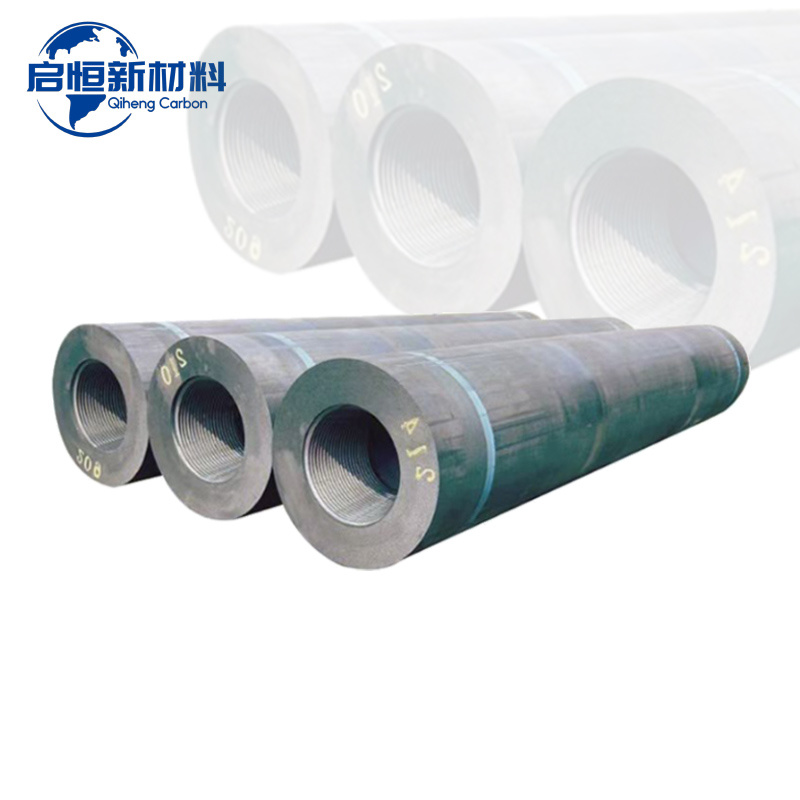
RP Graphite Electrodes: Enhancing Conductivity in Metallurgical Applications
Table of Contents
1. Introduction to RP Graphite Electrodes
2. Understanding Graphite and Its Properties
3. The Role of RP Graphite Electrodes in Metallurgy
4. Benefits of Using RP Graphite Electrodes
5. The Manufacturing Process of RP Graphite Electrodes
6. Applications of RP Graphite Electrodes
The Essential Guide to Graphite Blocks in Metallurgy and Energy Industries
Graphite blocks are pivotal materials in the metallurgy and energy industries, particularly within the non-metallic mineral products sector. These blocks, made from natural or synthetic graphite, possess unique properties that make them suitable for a wide range of applications. One of the most notable characteristics of graphite is its excellent thermal and electrical conductivity. This property
Quick Navigation
Contact Us
Mobile:
+8618031071182(Mr. Chang)
+8613703203188(Mr. Guo)
Address: West of Zholangbao Village, Shangcheng Town, Chengan County, Handan City, Hebei Province
Alibaba Store: