

Unlocking the Power of RP Graphite Electrodes in Metallurgical Applications: A Comprehensive Guide
Dec 10,2024


Summary:
Unlocking the Power of RP Graphite Electrodes in Metallurgical Applications
Table of Contents
1. Introduction to RP Graphite Electrodes
2. Significance of RP Graphite Electrodes in Metallurgy
3. Key Properties of RP Graphite Electrodes
4. Manufacturing Process of RP Graphite Electrodes
5. Applications of RP Graphite Electrodes in Metallurgical Processes
6. Advantages of
Unlocking the Power of RP Graphite Electrodes in Metallurgical Applications
Table of Contents
- 1. Introduction to RP Graphite Electrodes
- 2. Significance of RP Graphite Electrodes in Metallurgy
- 3. Key Properties of RP Graphite Electrodes
- 4. Manufacturing Process of RP Graphite Electrodes
- 5. Applications of RP Graphite Electrodes in Metallurgical Processes
- 6. Advantages of Using RP Graphite Electrodes
- 7. Challenges in the Use of RP Graphite Electrodes
- 8. Future Trends and Innovations in RP Graphite Electrodes
- 9. Frequently Asked Questions (FAQs)
- 10. Conclusion
1. Introduction to RP Graphite Electrodes
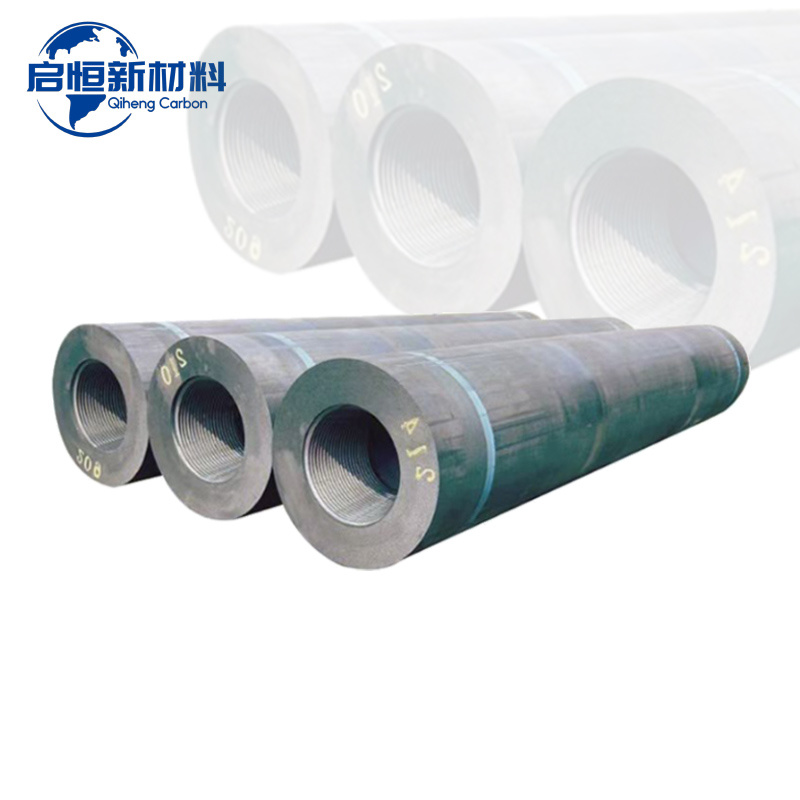
RP graphite electrodes, also known as Regular Power graphite electrodes, play a pivotal role in various metallurgical applications, particularly in electric arc furnaces (EAFs). These electrodes are designed for efficient electrical conductivity and thermal stability, making them indispensable in steel recycling and production processes. By unlocking the potential of RP graphite electrodes, industries can achieve enhanced performance, reduced energy consumption, and overall operational efficiency.
2. Significance of RP Graphite Electrodes in Metallurgy
In the metallurgy sector, RP graphite electrodes serve as key components in the production of various metal alloys and the recycling of scrap metals. Their ability to withstand high temperatures and deliver steady electrical currents under extreme conditions allows for a more efficient melting process. This leads to improved quality of the final product and reduced production costs, thus highlighting their significance in modern metallurgical applications.
Understanding the Role of RP Graphite Electrodes
RP graphite electrodes are primarily used in electric arc furnaces, where they facilitate the melting of scrap metal. The electrodes are subjected to intense electrical currents, generating the necessary heat for melting. This process not only recycles scrap metal efficiently but also minimizes the environmental impact associated with traditional metal production methods.
3. Key Properties of RP Graphite Electrodes
The effectiveness of RP graphite electrodes is attributed to several key properties:
High Electrical Conductivity
One of the most crucial properties of RP graphite electrodes is their **high electrical conductivity**. This enables them to efficiently transfer electrical energy, which is essential for the melting process in electric arc furnaces.
Thermal Stability
RP graphite electrodes can withstand extreme temperatures without deforming. This **thermal stability** ensures consistent performance throughout the melting process, reducing the risk of equipment failure.
Low Thermal Expansion
Graphite has a low coefficient of thermal expansion, which means that RP graphite electrodes maintain their shape and integrity even under fluctuating temperature conditions.
Mechanical Strength
Despite their lightweight nature, RP graphite electrodes possess impressive mechanical strength, allowing them to endure the physical stresses encountered during operation.
4. Manufacturing Process of RP Graphite Electrodes
The manufacturing of RP graphite electrodes involves several steps, which contribute to their quality and performance:
Raw Material Selection
Quality raw materials, such as petroleum coke and pitch, are selected to ensure optimal properties in the final product.
Staging and Baking
The raw materials are mixed, molded into shape, and then baked at high temperatures. This process helps in removing volatile substances and solidifying the structure.
Graphitization
After baking, the electrodes undergo a graphitization process at even higher temperatures, transforming them into high-purity graphite.
Machining
Finally, the electrodes are machined to achieve precise dimensions, ensuring they fit seamlessly into the electric arc furnaces for optimal performance.
5. Applications of RP Graphite Electrodes in Metallurgical Processes
RP graphite electrodes find extensive use in various metallurgical processes, including:
Electric Arc Furnaces (EAFs)
As the primary application, RP graphite electrodes are critical in EAFs, where they facilitate the melting of steel scrap and other metals.
Foundries
In foundries, these electrodes are used for melting ferrous and non-ferrous metals, enabling the production of various metal components and structures.
Smelting Operations
RP graphite electrodes play a significant role in smelting processes, where they are employed to reduce ores into metals through electrolysis.
Research and Development
Many metallurgical research facilities utilize RP graphite electrodes for experimental setups, exploring new ways to enhance metal production efficiency.
6. Advantages of Using RP Graphite Electrodes
The adoption of RP graphite electrodes in metallurgy offers several advantages:
Energy Efficiency
The high electrical conductivity of RP graphite electrodes minimizes energy losses during the melting process, leading to significant cost savings.
Operational Reliability
Their thermal stability and mechanical strength ensure reliable operation under demanding conditions, reducing downtime and maintenance costs.
Environmental Benefits
Using RP graphite electrodes in recycling processes helps lower greenhouse gas emissions and reduces the need for raw material extraction, contributing to a more sustainable industry.
7. Challenges in the Use of RP Graphite Electrodes
While RP graphite electrodes offer numerous benefits, they also face certain challenges, including:
Cost of Raw Materials
The price volatility of raw materials, such as petroleum coke, can impact the overall cost of RP graphite electrodes and, subsequently, metallurgical processes.
Electrode Wear and Tear
Continuous usage in high-temperature environments can lead to electrode wear, requiring regular replacements and increasing operational costs.
Environmental Regulations
Stringent environmental regulations may necessitate investments in cleaner production methods, posing challenges for some metallurgical companies.
8. Future Trends and Innovations in RP Graphite Electrodes
The future of RP graphite electrodes in metallurgy is promising, with several trends and innovations on the horizon:
Advanced Materials
Research into advanced composite materials may lead to the development of more efficient and durable electrodes, enhancing performance even further.
Automation and Smart Technology
Integrating automation and smart technology in electrode production and usage will improve monitoring, efficiency, and overall operational performance.
Sustainability Initiatives
As industries shift towards sustainable practices, the development of eco-friendly alternatives to traditional electrode materials will become increasingly important.
9. Frequently Asked Questions (FAQs)
What are RP graphite electrodes used for?
RP graphite electrodes are primarily used in electric arc furnaces for melting metal, particularly in steel production and recycling processes.
How do RP graphite electrodes compare to other types?
RP graphite electrodes offer higher electrical conductivity and thermal stability compared to lower power or ultra-high power electrodes, making them suitable for specific metallurgical applications.
What factors affect the lifespan of RP graphite electrodes?
The lifespan of RP graphite electrodes is influenced by factors such as operational temperature, electrical current, and the quality of raw materials used in their production.
Are RP graphite electrodes environmentally friendly?
While the production of RP graphite electrodes involves raw material extraction, their usage in recycling processes helps reduce environmental impact compared to traditional metal production.
How can companies improve the efficiency of RP graphite electrodes?
Companies can improve efficiency by investing in high-quality electrodes, optimizing operational parameters, and incorporating advanced monitoring technologies.
10. Conclusion
RP graphite electrodes are vital components in the metallurgical landscape, driving efficiency and sustainability in metal production and recycling processes. Their unique properties, coupled with the advantages they offer, position them as essential tools for modern metallurgy. As the industry evolves, continued innovation and research will further unlock the potential of RP graphite electrodes, ensuring they remain at the forefront of metallurgical applications for years to come. Embracing these advancements will enable companies to enhance their operations and contribute to a more sustainable future in the metallurgy sector.
The next one:
Focus On Hot Spots
RP Graphite Electrodes: Transforming Conductivity in Metallurgical Processes
RP Graphite Electrodes: Enhancing Conductivity in Metallurgical Applications
Table of Contents
1. Introduction to RP Graphite Electrodes
2. Understanding Graphite and Its Properties
3. The Role of RP Graphite Electrodes in Metallurgy
4. Benefits of Using RP Graphite Electrodes
5. The Manufacturing Process of RP Graphite Electrodes
6. Applications of RP Graphite Electrodes
The Essential Guide to Graphite Blocks in Metallurgy and Energy Industries
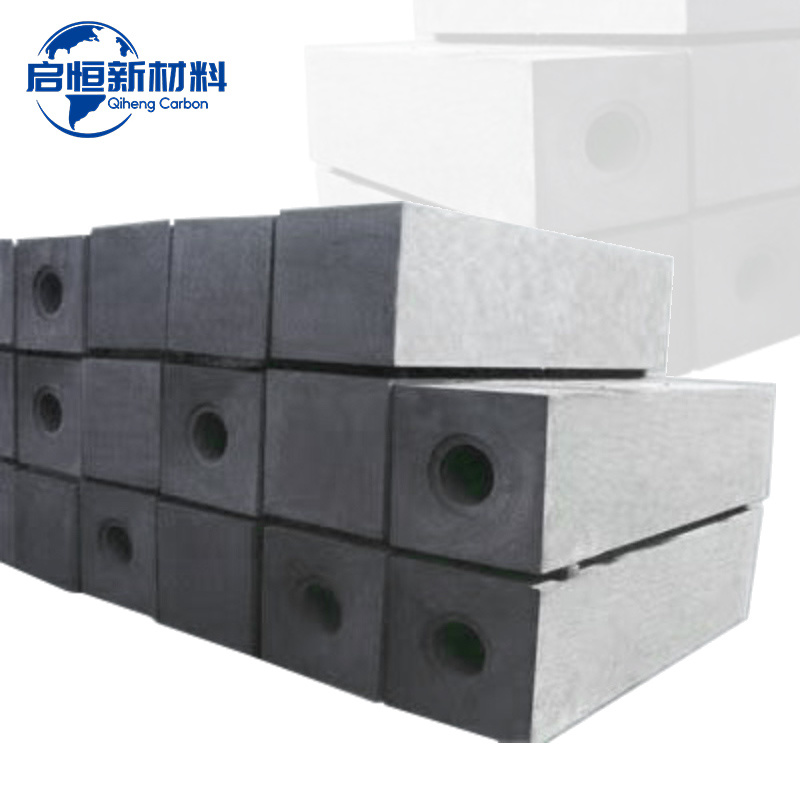
Graphite blocks are pivotal materials in the metallurgy and energy industries, particularly within the non-metallic mineral products sector. These blocks, made from natural or synthetic graphite, possess unique properties that make them suitable for a wide range of applications. One of the most notable characteristics of graphite is its excellent thermal and electrical conductivity. This property
Quick Navigation
Contact Us
Mobile:
+8618031071182(Mr. Chang)
+8613703203188(Mr. Guo)
Address: West of Zholangbao Village, Shangcheng Town, Chengan County, Handan City, Hebei Province
Alibaba Store: